Keep reading for free
Create a free account or sign in to continue
Use the same email and password across behindthechair.com, BTC-U, oneshothairawards.com, and Who Does Your Hair — one set of credentials, every site.

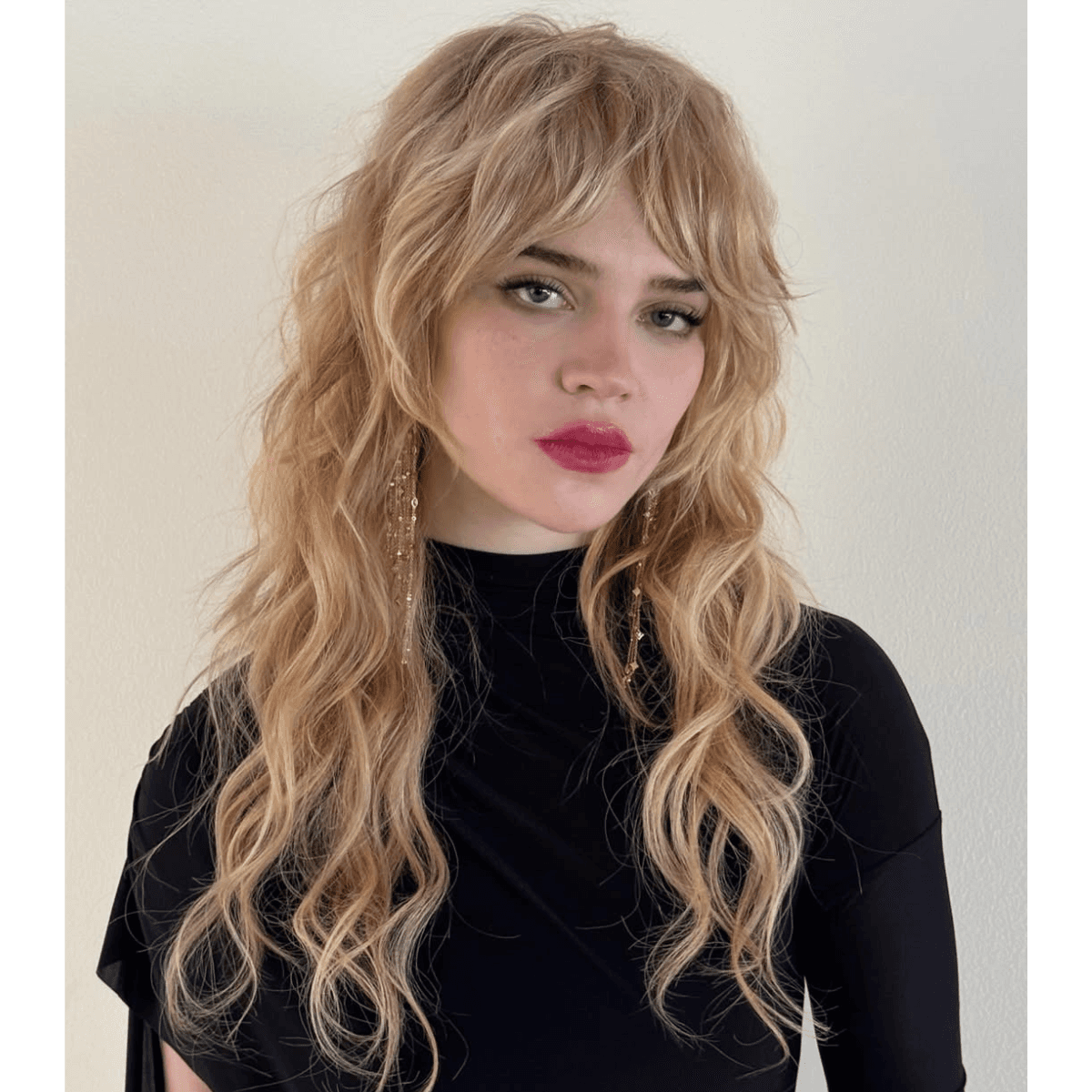
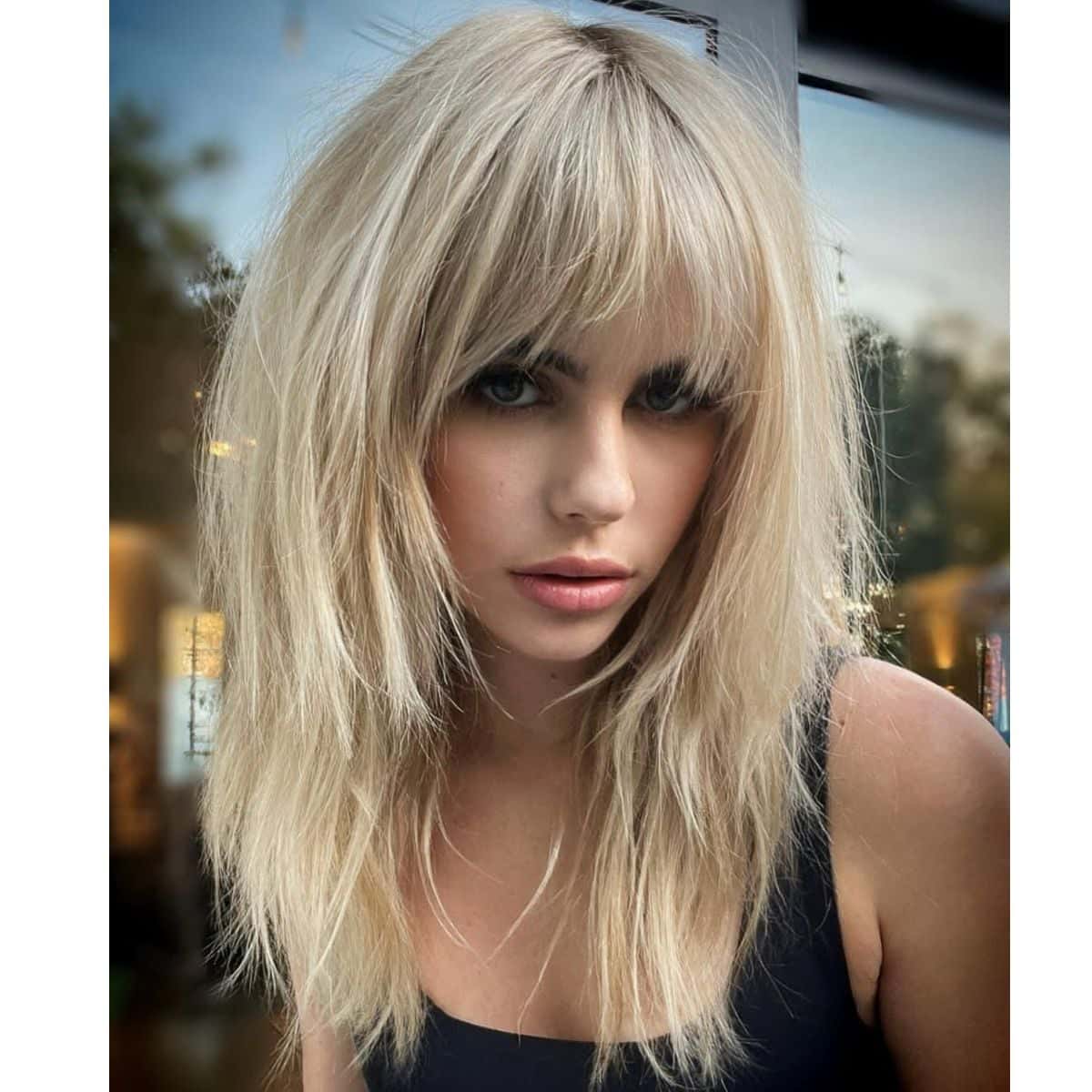 Photo Credit: Instagram via @rachelwstylist
Artist—Rachel Williams
By Lauren Freas·November 26, 2025
Keep reading for free
Create a free account or sign in to continue
Use the same email and password across behindthechair.com, BTC-U, oneshothairawards.com, and Who Does Your Hair — one set of credentials, every site.
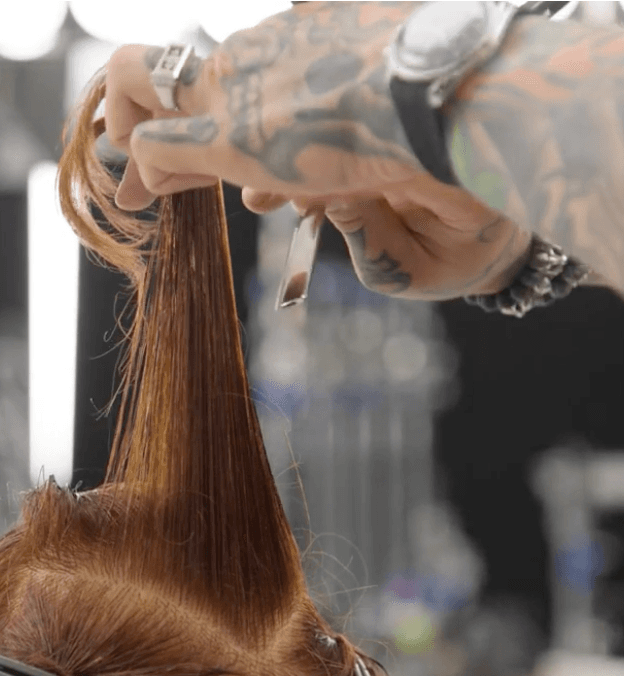
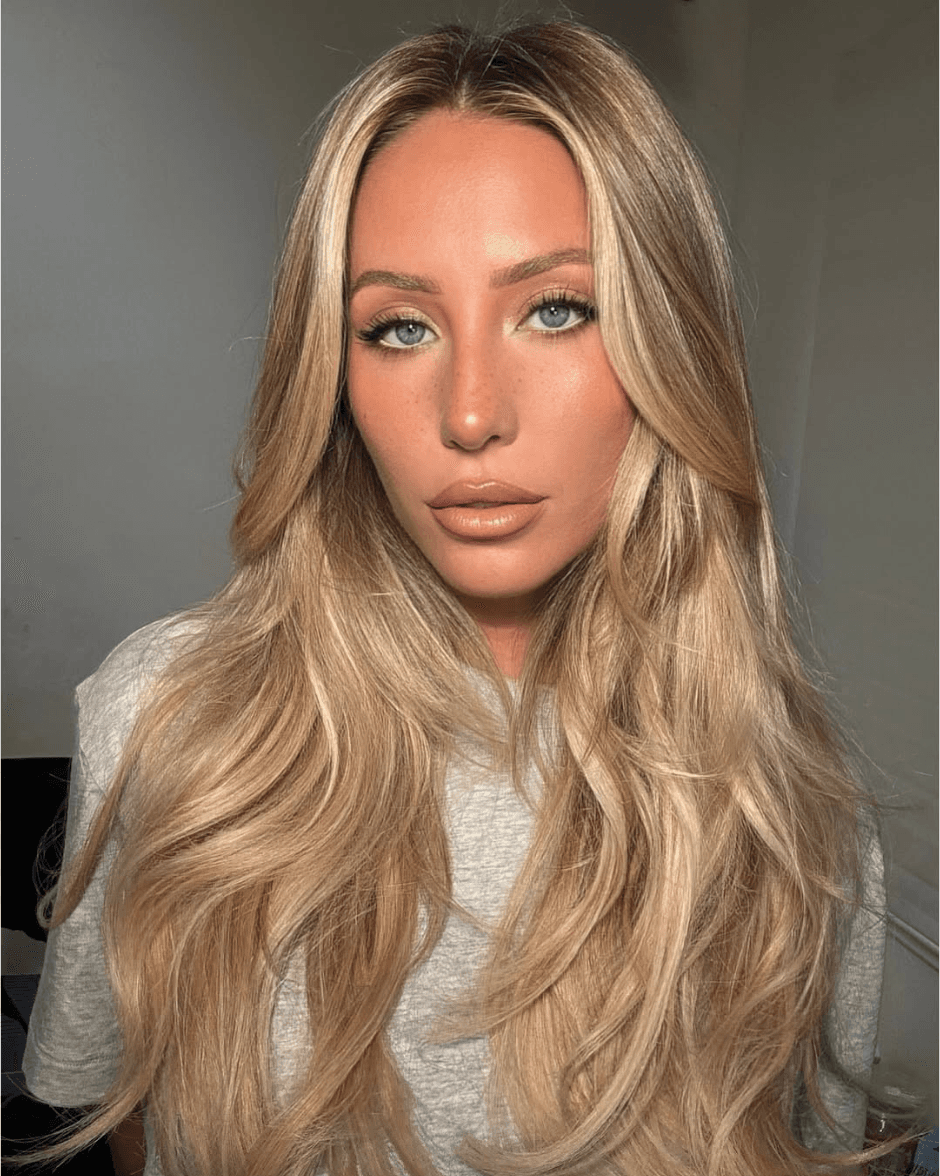
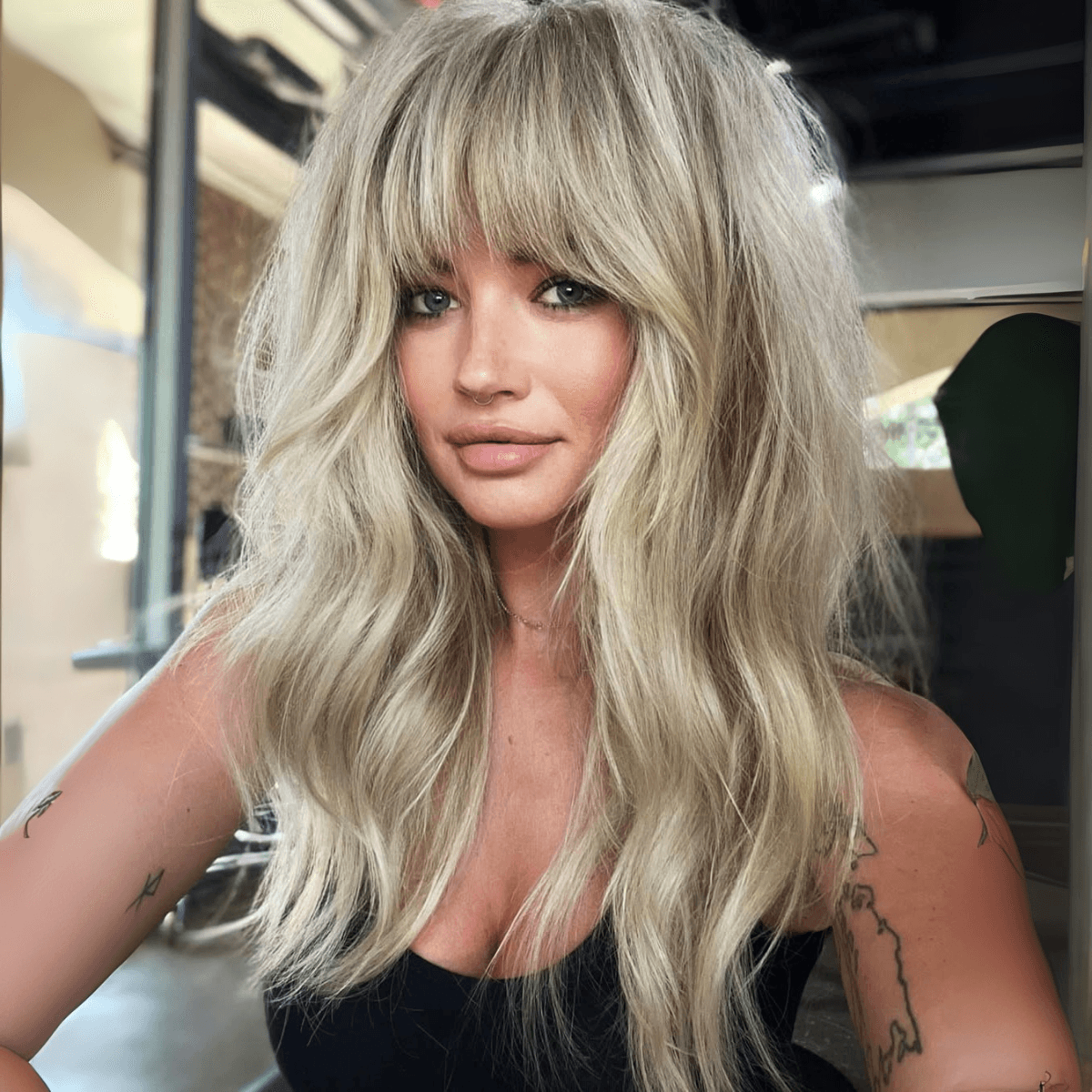
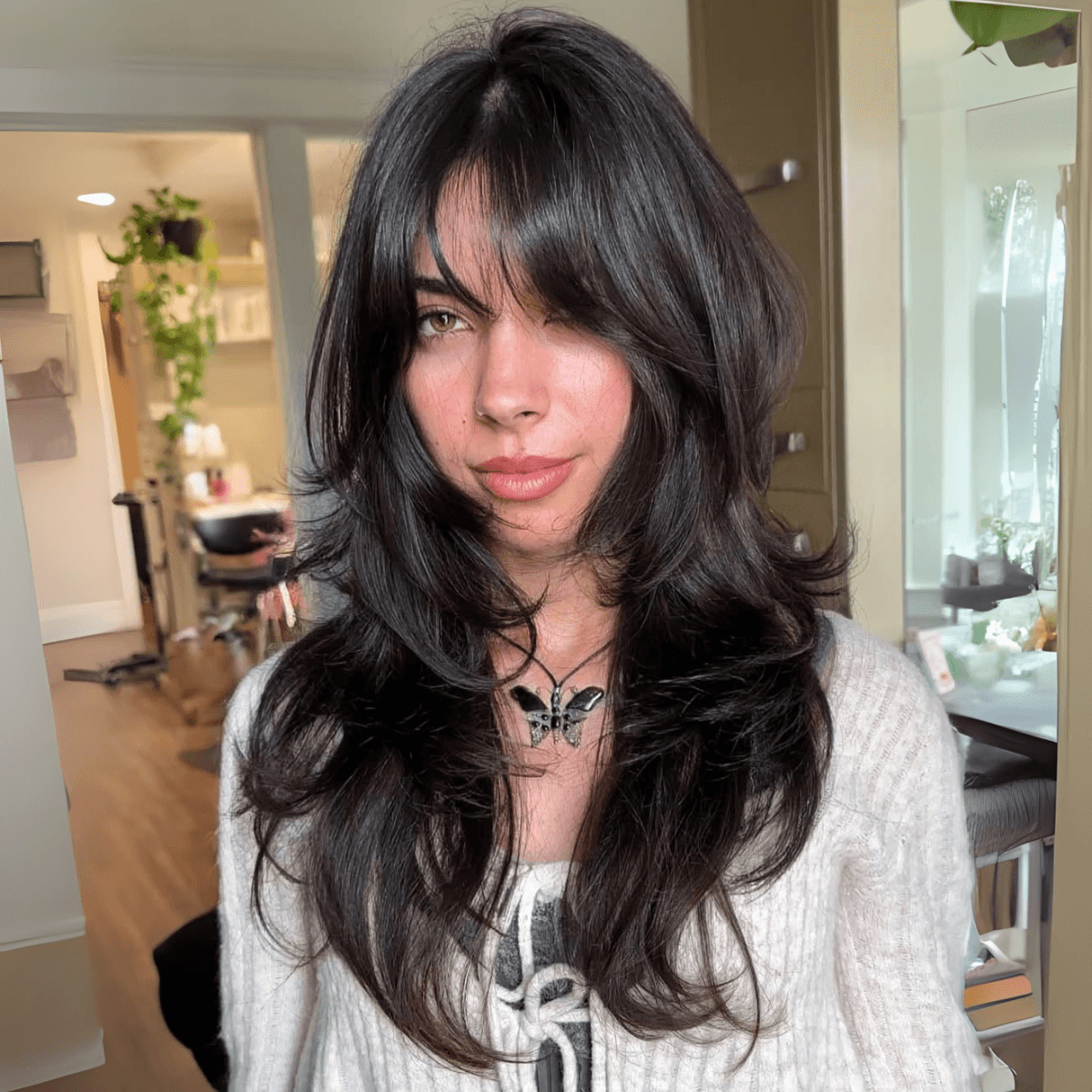
If you struggle to keep a shag haircut from veering into mullet territory, you’re not alone. The balance between effortless texture and unwanted disconnection can be tricky. That’s why we hit up Rachel Williams (@rachelwstylist), Moroccanoil® Global Ambassador, ARC™ Scissors Artistic Team Member and expert in all things shags and dry detailing, for the mistakes she sees most (and how to fix them).
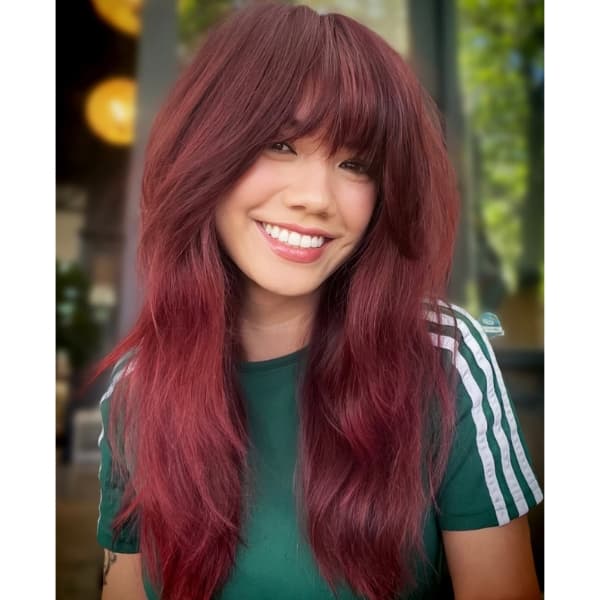
Leaving the back too long disconnects the shape, creating a mullet effect. This often happens when the crown is…

Unlock iconic shag secrets from the Mother of the Shag and rockstar hairdresser, Sally Hershberger.
@sallyhershberger

Rediscover the shag’s iconic charm with #ONESHOT Winner Rachel Williams’ exclusive Modern Day Shag class.
@rachelwstylist

Unlock shaggy bob secrets with Jacob Khan, featuring step-by-step cutting, invisible layers, fringe tips and styling tricks.
@jacobhkhan

Unlock the secrets of the trendy short shag haircut with #ONESHOT Winner Carolynn Judd.
@styled_by_carolynn

Unlock the secrets to this year's hottest haircuts with insights from the ARC™ Scissors Team as they break down four signature cuts.
@chrisjones_hair, @brianacisneros +2

Integrate cutting and color techniques to create cohesive, timeless looks with Jessica Scott Santo and Rachel Williams.
@jessicascotthair, @rachelwstylist

Master the art of one of the most sought-after haircuts—the shag/mullet hybrid—with specialist Brian Hickman.
@brianhickman1

The square layer cut creates internal texture and shape on a mid-length base.
@toniandguyworld