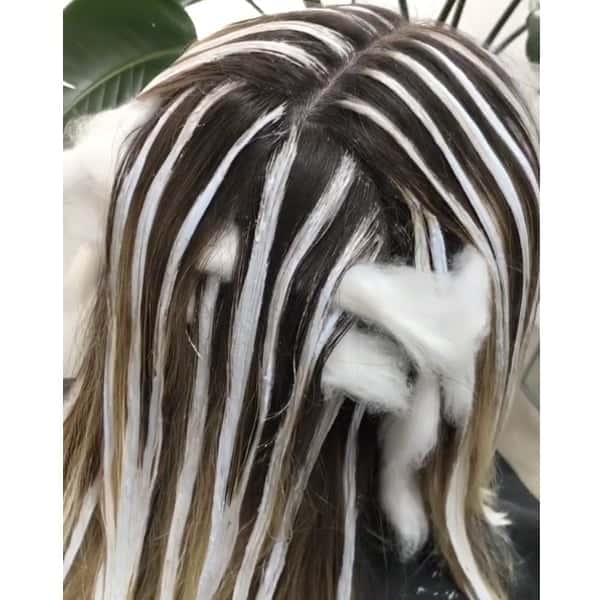
Balayage Versus Hair Painting—Which Technique Are You REALLY Using?
The terms “balayage” and “hair painting” are often used interchangeably in the salon, but (this may come as a surprise)—they are not the same technique! Keep reading to learn the difference and see if you’re using incorrect terminology with your clients!
Blonding expert @lo_wheelerdavis gave us the breakdown on what makes each technique unique. In the U.S., we mostly see hair painting versus traditional French balayage, which is what Lo learned at the L’Oréal Professionnel Academy. Here are two quickie videos using the balayage technique, plus a breakdown for how the techniques differ.
Breaking Down The Differences
| FRENCH BALAYAGE | HAIR PAINTING | |
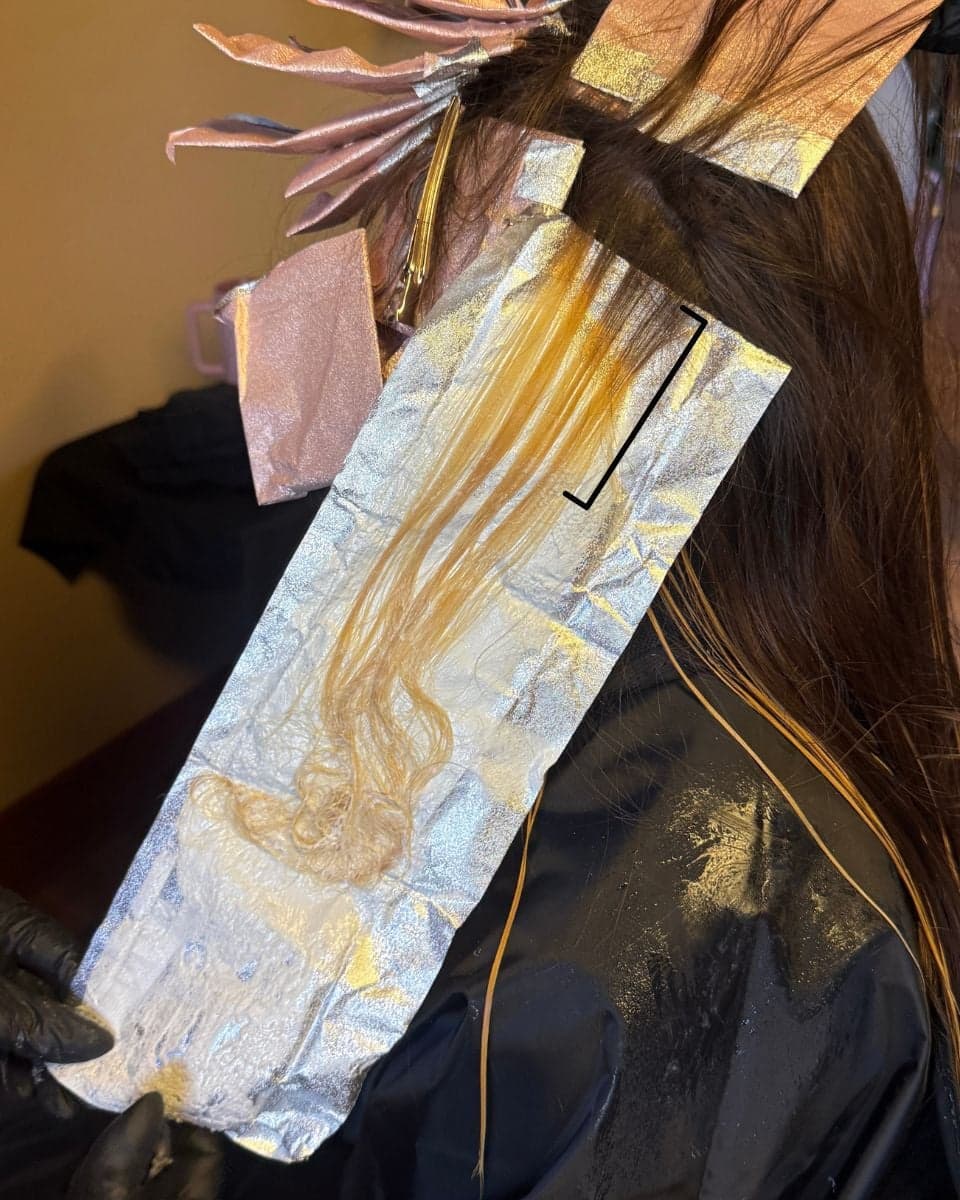
| Technique | “Sweeping” color across the surface of the hair (“balayage” is the French word for sweeping!), with lightener remaining on only the top surface of each section until the final inch of hair | Painting the hair with much heavier saturation, often applied underneath each section for maximum brightness |
| Section Width | Thin, ribbon-like sections | Wider plank sections |
| Placement |
Precise and creative placement for unlimited possibilities |
Creative placement |
| Lightener Choice | Thick, creamy consistency that will adhere to hair: L’Oréal Professionnel Blond Studio Multi-Techniques, Blond Studio Freehand Techniques, Blond Studio Platinium | Thinner consistency that assists with saturation: Majimèches, Blond Studio Sun-Kissed Lightening Oil or any of the lighteners used for balayage |
| Processing | Open air processing with cotton for neatness (may use plastic film as well) | Can use foils or meche for insulation and to encourage maximum lift |
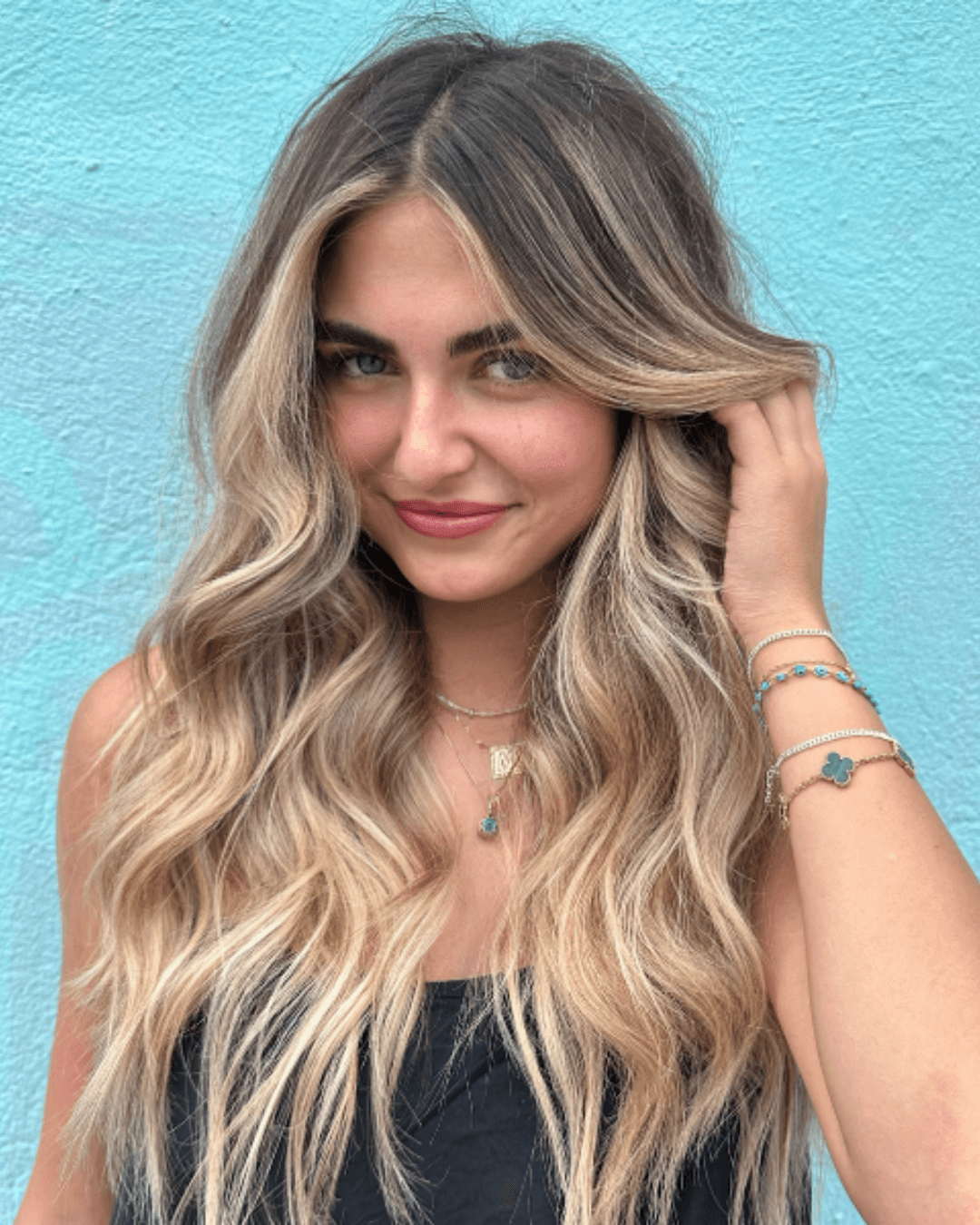
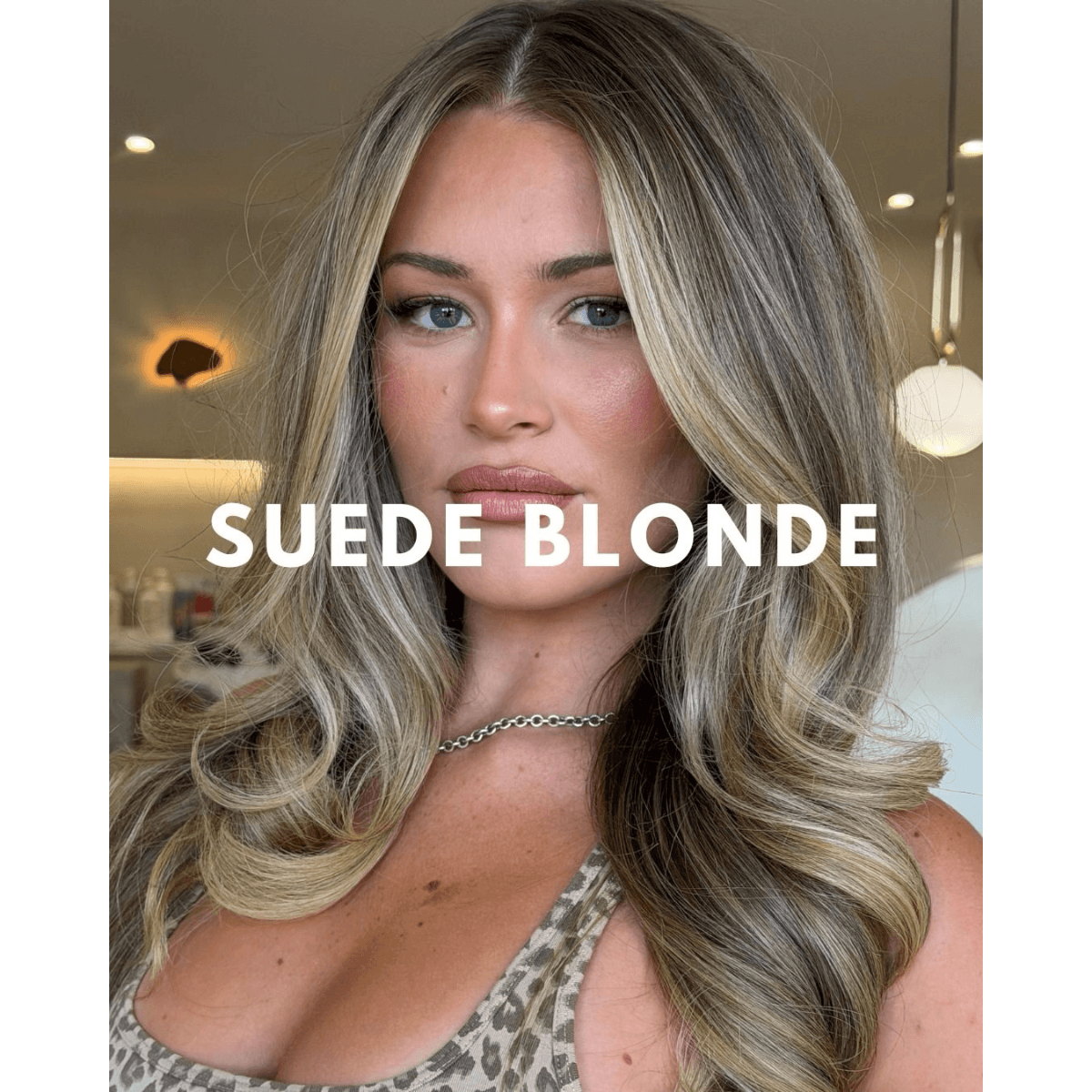
| Results | Results are subtle, sun-kissed and lean warm (think a child’s hair being lightened from the sun) | Results are varied—can be subtle or super dimensional, melted or ombré and can be cool-toned if enough lift is achieved |
| Levels of Lift | Up to 7 levels of lift can be expected | As high as your lightener will take the hair |

French Balayage: More Details On The Technique
- Precision is the name of the game. Apply lightener strand by strand and only paint the surface until the last inch of hair, where you should saturate underneath the section as well.
- Brush position, hair tension, elevation and lightener consistency all play key roles in true French balayage.
- A steady hand and methodical placement are required for this technique.
- True French balayage is very clean, and where you start the process on the head is important to keep the pattern intact and prevent bleeding onto other sections.
-
Learn traditional French balayage at L’Oréal Professionnel balayage classes, where Lo went to perfect her technique!