Hair Color

What is Base Breaking? Here's Why Colorists Swear by It

Base Breaking 101: How To Use This Method to Blend & Soften Harsh Lines Ever finish a blonding service and notice the line of demarcation is a little too harsh? That’s where base breaking (also known as base bumping) comes in. It’s a quick, controlled way to soften that contrast, blend the base and tone all Continued

October 30, 2025·2 min read

xr:d:DAFR9cSIxtE:4,j:40952144174,t:22111421

Base Breaking 101: How To Use This Method to Blend & Soften Harsh Lines

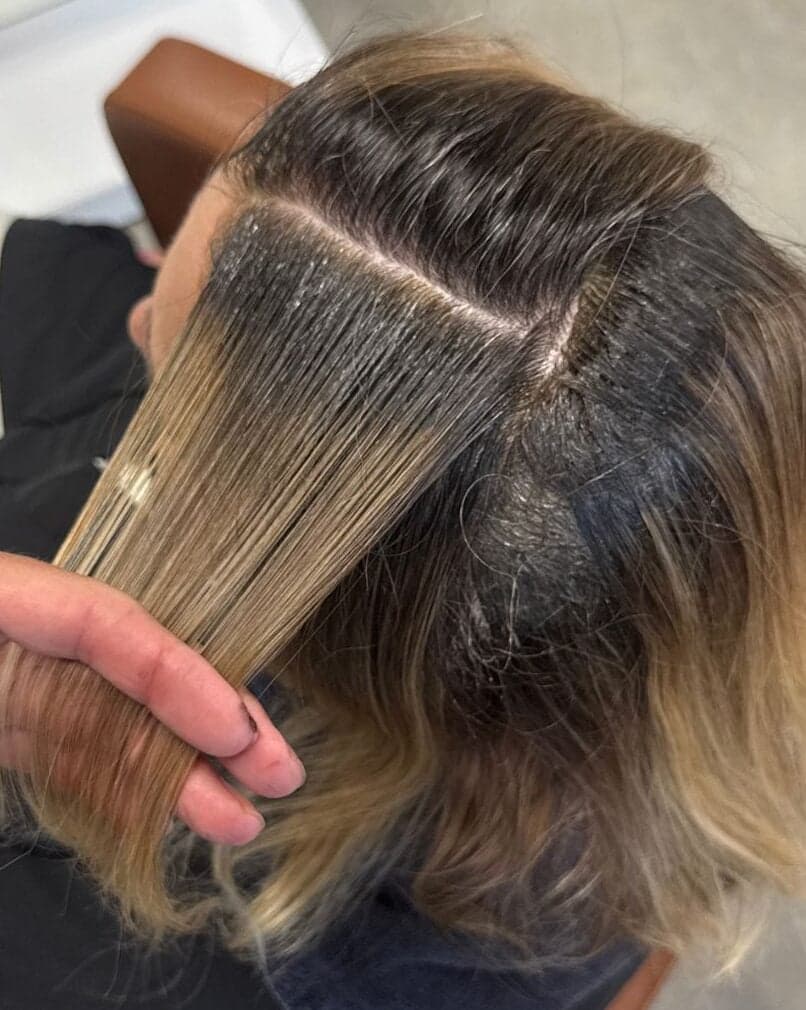
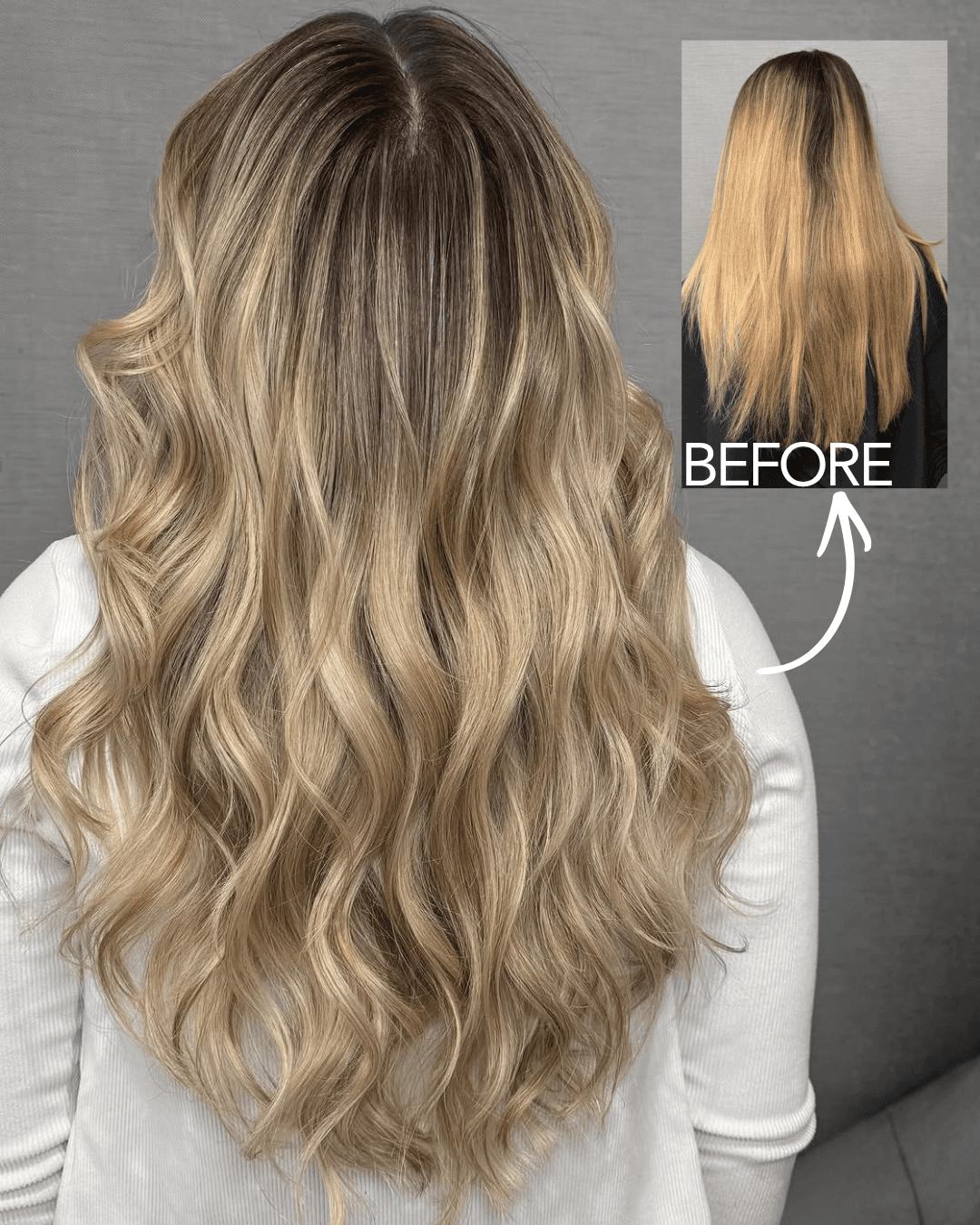
Ever finish a blonding service and notice the line of demarcation is a little too harsh? That’s where base breaking (also known as base bumping) comes in. It’s a quick, controlled way to soften that contrast, blend the base and tone all at once for a seamless finish.


The goal: soften, don’t lighten…

Base breaking isn’t about taking your client lighter overall—it’s about shifting the natural base just enough (anywhere from half a level to to one level) to eliminate that harsh line between the highlights and regrowth. Think of it as turning down the depth slightly so everything looks softer and more cohesive.


How to base break & when to do it:

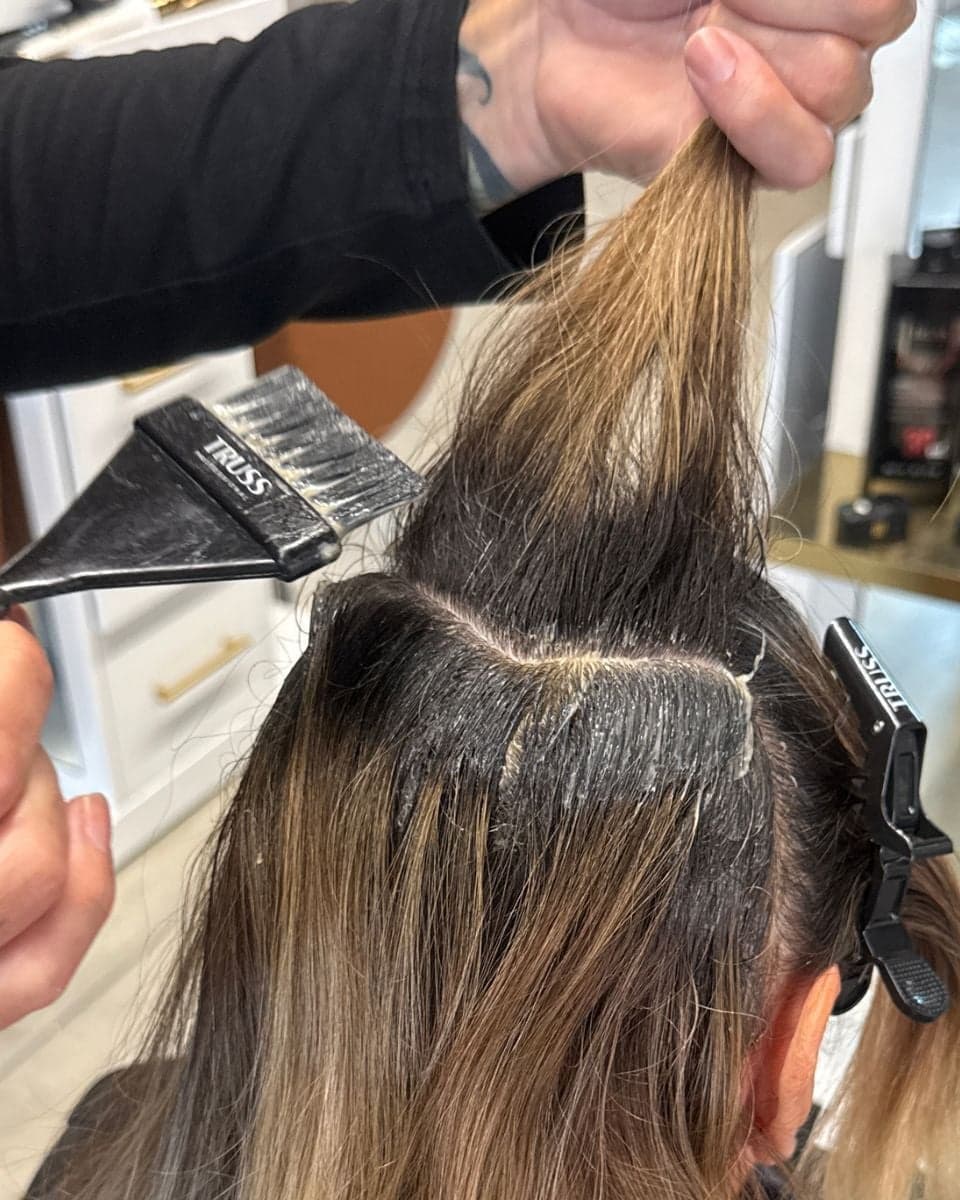
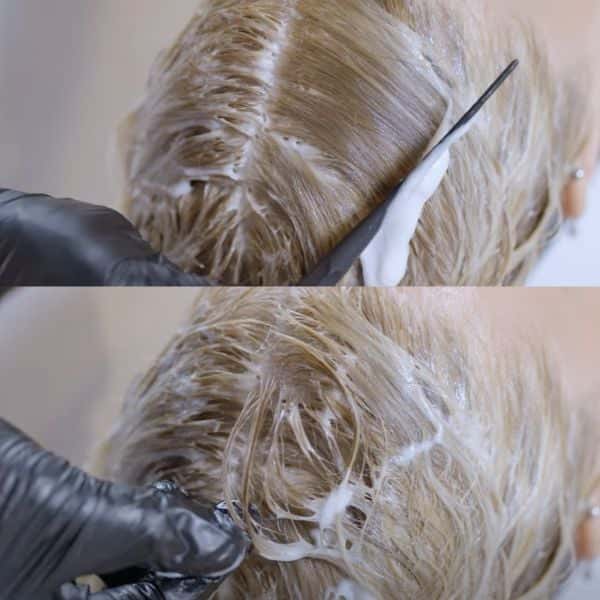
After highlights are rinsed and the hair is towel-dried, a low-volume developer (typically a 5- to -10 volume) is mixed with either a low-ammonia permanent color Schwarzkopf Professional® IGORA® ZERO AMM Ammonia-Free Color Creme, an alkaline demi like Matrix Super Sync Demi Permanent or a base breaking formulation like Kenra Professional® Color Simply Blonde Base Breaker Extra Cool. The goal is controlled lift in just a few minutes so the stylist can bump the base without overprocessing.


Here are three tips for perfecting base breaking:

  • Work fast: Apply quickly and evenly as processing times move faster on damp hair.

  • Stay in control: Don’t lift too much to avoid unwanted warmth. If brass does pop, follow with a toner or gloss for refinement.

  • Watch your canvas: Avoid base breaking on compromised or overly porous hair—those strands will grab and overprocess in seconds.


Here’s when to base break:

  • When you want to shift the natural base level one to two levels.
  • Highlights look too contrasty at the root.
  • When you want to make grays less noticeable without using permanent color.
  • A client’s natural base feels too “flat” against fresh blonding.
  • You want a smoother, more natural grow-out between lightening sessions.
  • A bleach-and-tone or foil highlight client who wants a root touch-up but doesn’t have enough regrowth to complete a retouch with lightener
  • A client who needs a break from using lightener but still wants a blended base


Find out more about base breaking & get formulations here: