Loading


 Photo Credit: Instagram via @ahappyjustin
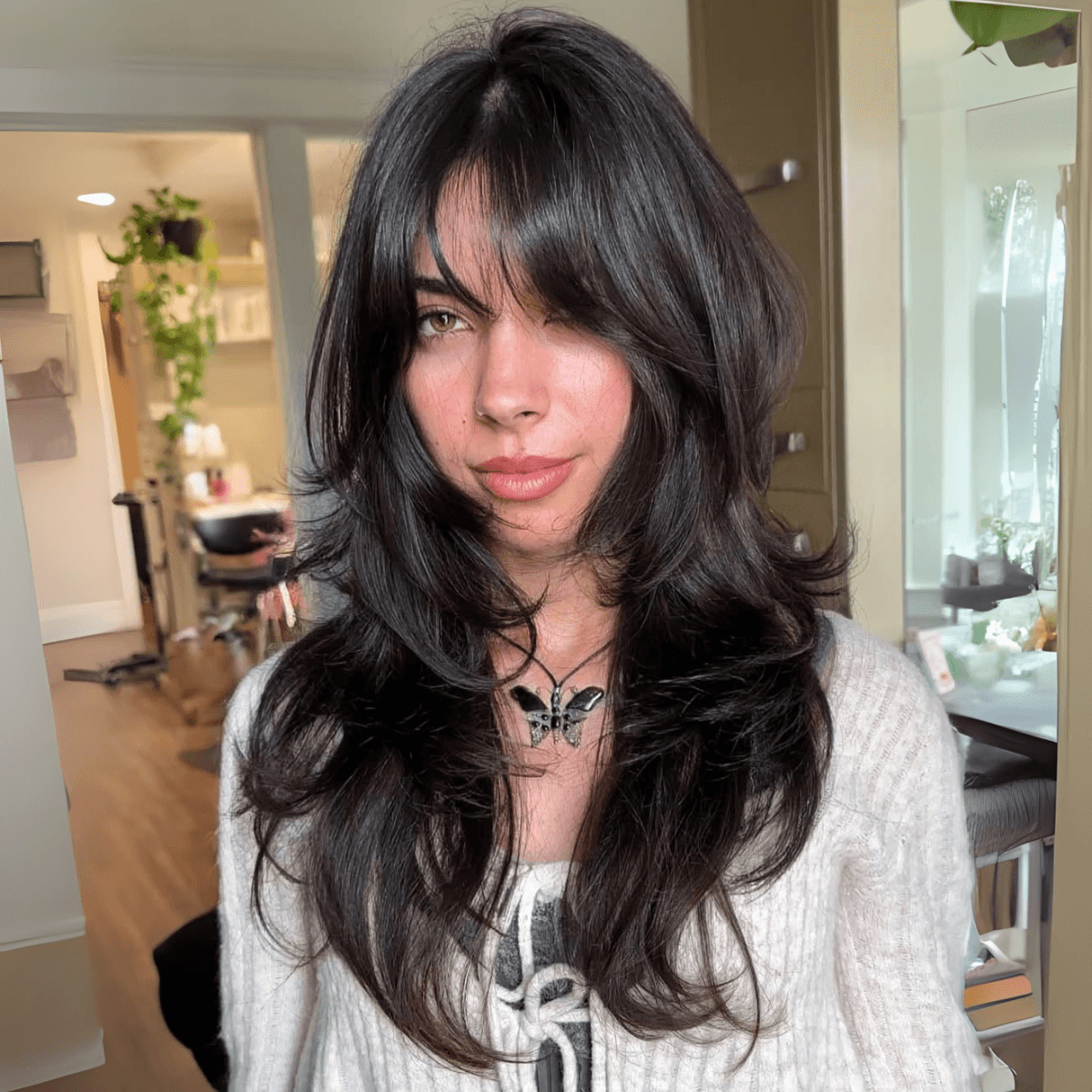
Master the art of Butterfly Layers with #ONESHOT Winner Justin Toves-Vincilione.
@ahappyjustin

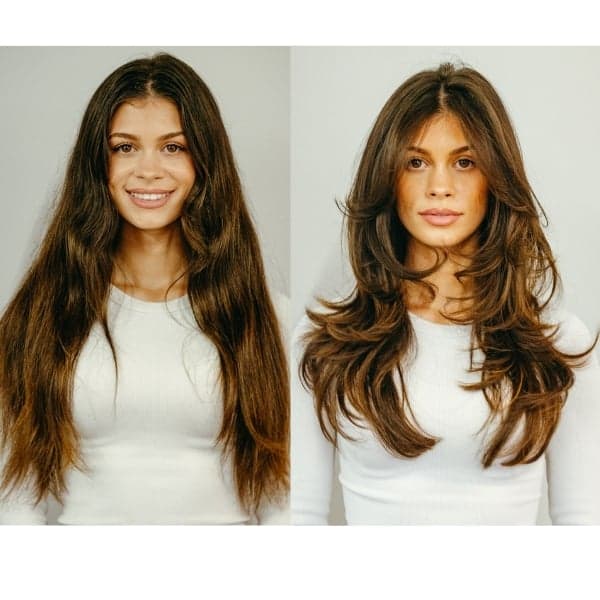
Achieve the timeless "bombshell layers" haircut with volume and bounce with #ONESHOT Winner Justin Toves-Vincilione.
@ahappyjustin

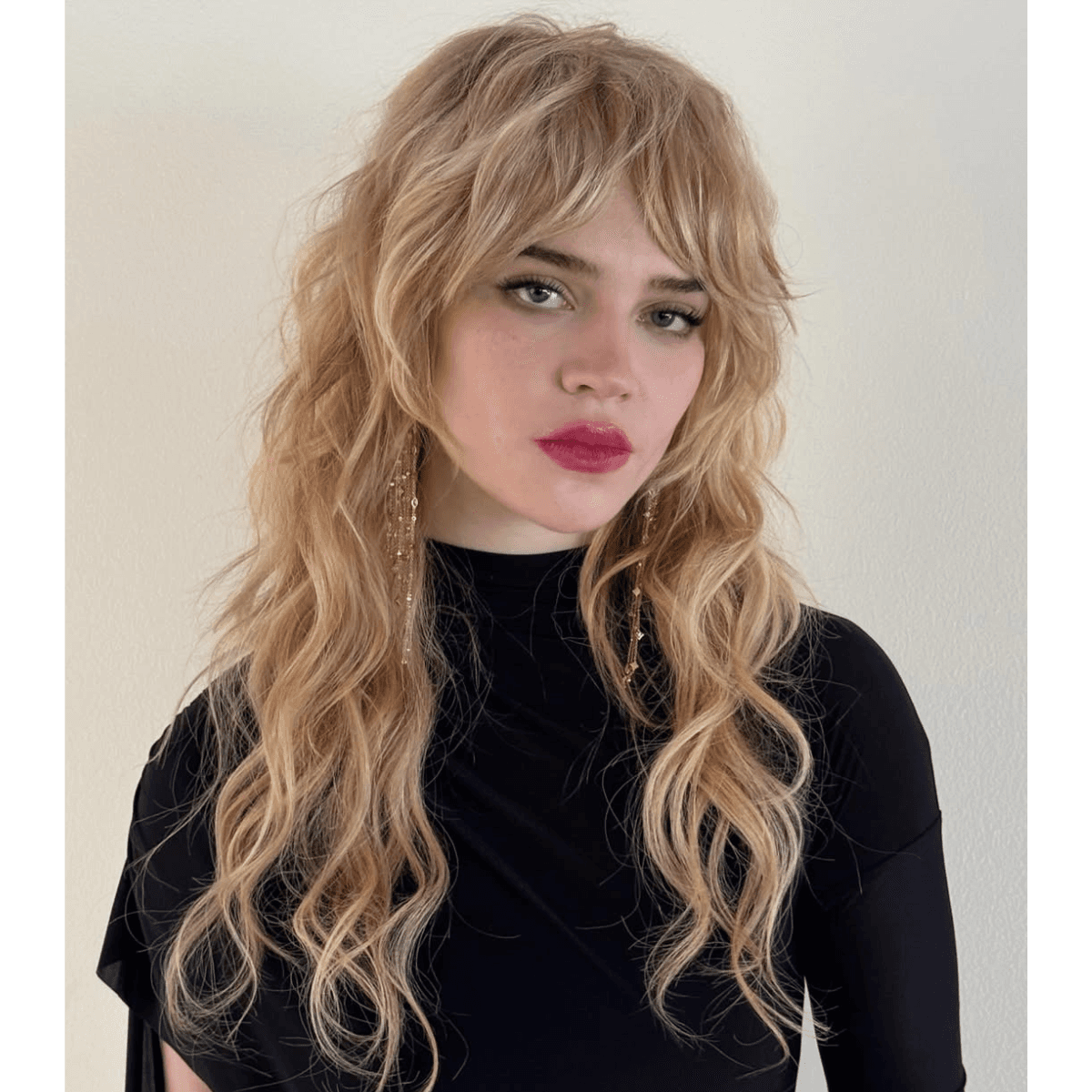
Elevate your business with face-framing cutting techniques for long-layered hair from award-winning educator Matt Swinney.
@matt.swinney

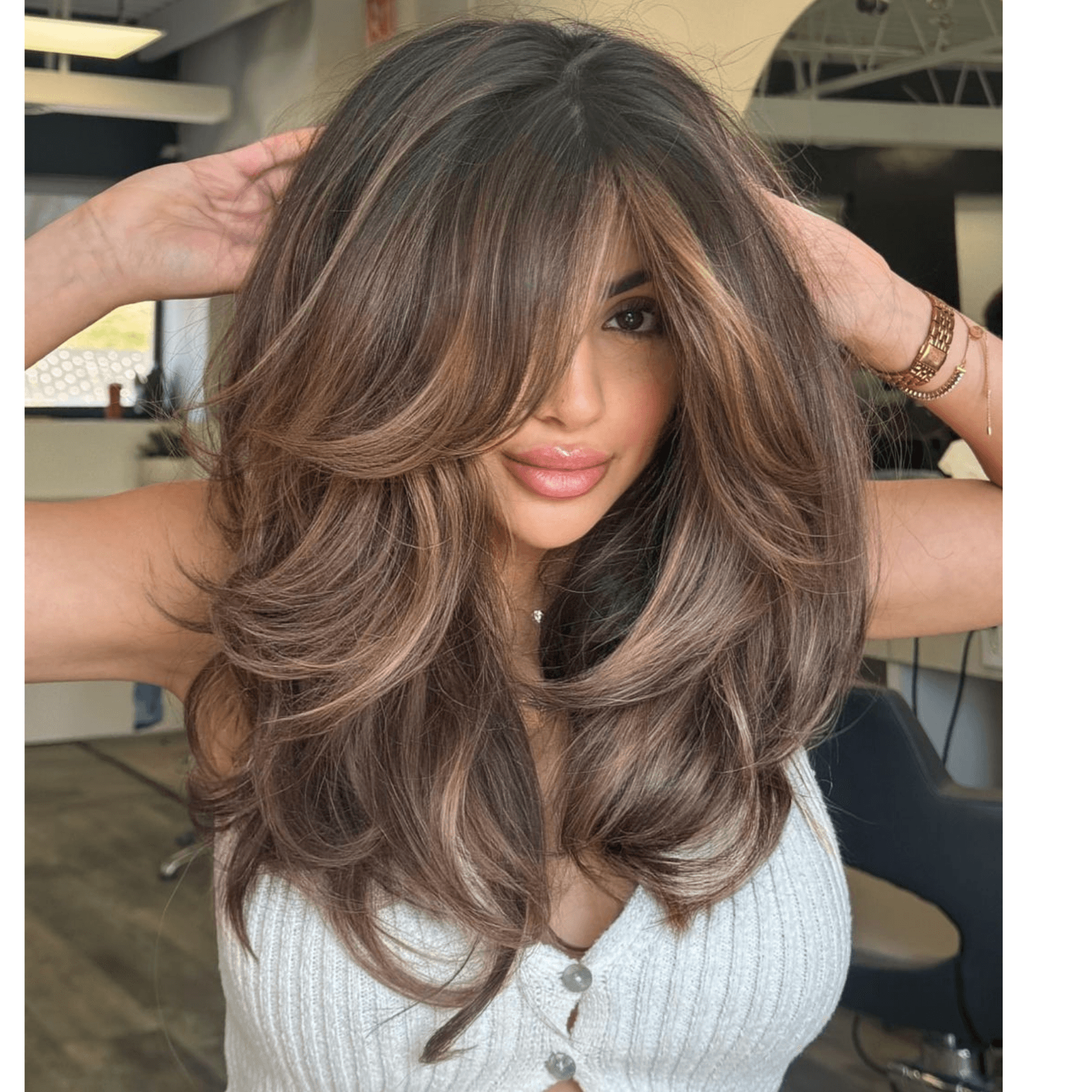
Discover Beverly Hills cool-girl layers, blowouts and waves with cutting expert Donovan Mills.
@donovanmillshair

Master dry-cutting techniques for personalized haircuts and Instagram-worthy waves with celebrity stylist Buddy Porter.
@buddywporter

Learn pro cutting techniques and personalized face frames from #ONESHOT Big Shot Winner Joel Torres.
@joeltorresstyle

Learn Danilo Bozic's signature cutting techniques for flawless foil placements, including the fringe.
@danilo.bozic

Learn advanced color blending and precision fringe cutting techniques with Redken Global Ambassadors Sam Villa and Sean Godard.
@samvillahair, @seangodard
Holes in layered haircuts are a common frustration for stylists, often caused by mismanaged tension, uneven elevation, or inconsistent overdirection. Haircutting authority, Ulta Beauty Collective Member and ARC™ Scissors Artistic Team Member Justin Toves-Vincilione (@ahappyjustin) explains that the key to avoiding this issue lies in precision and control. “When you’re layering, you need to ensure you’re pulling directly out from where the hair lives,” he says. Overdirecting too far to the left or right can create gaps in the haircut, leading to disconnected sections that fail to flow naturally.
In his BTC University class, "The Butterfly Cut," Justin emphasizes the importance of maintaining consistent tension and elevation to avoid holes. He advises stylists to communicate with their clients during the haircut to ensure they stay upright in the chair. “I let my clients know I’ll be putting a lot of tension on these sections, and I ask them to resist as I pull so they stay straight up in the chair,” he says. This technique helps create crisp lines and ensures the layers are evenly distributed.
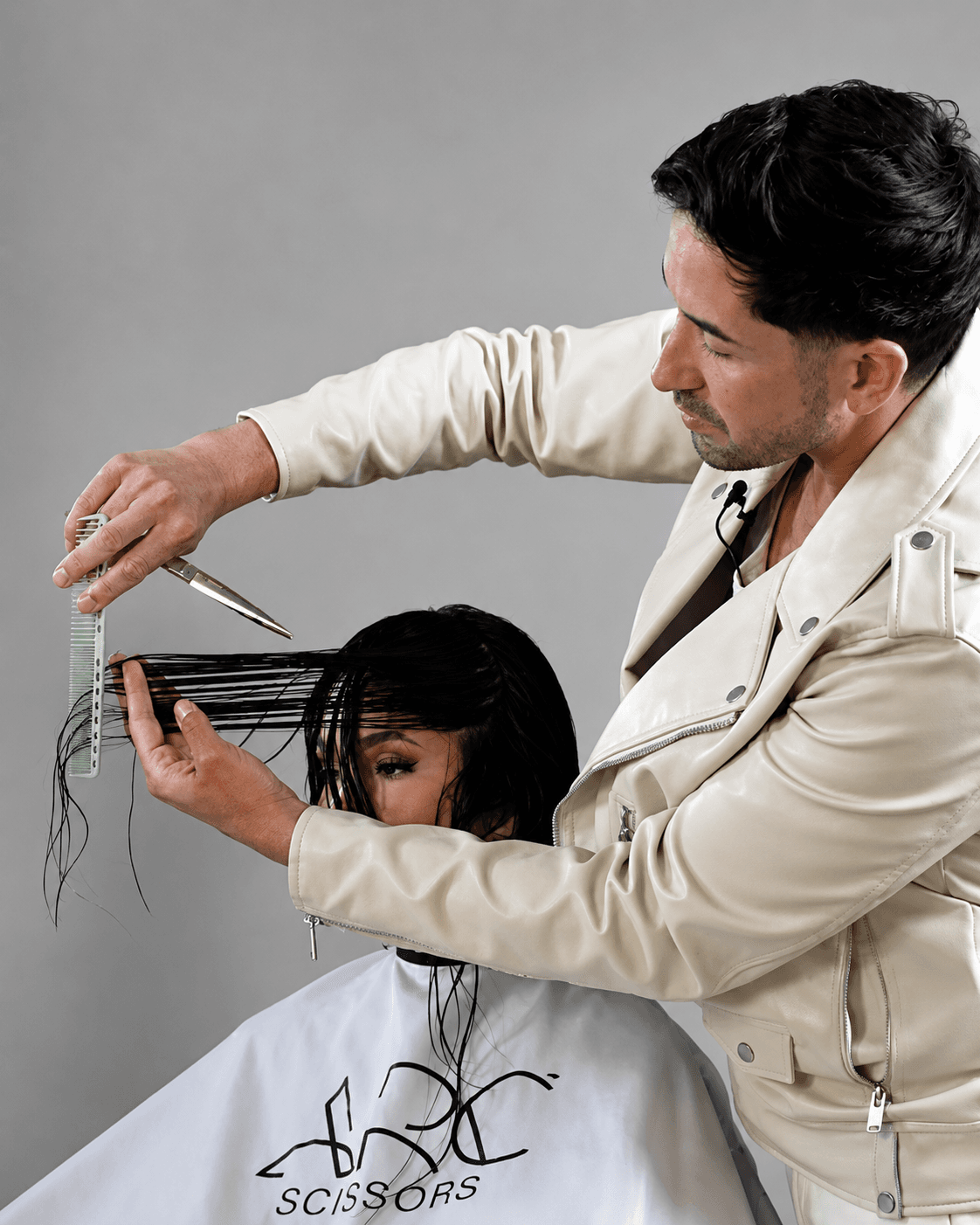
Pro Tip: What if my client wears a side part?
Justin recommends adjusting the layering approach based on the client’s parting preference. So, if your client has a set side part, you’ll want to cut their layers off that natural part. This ensures the layers blend seamlessly and avoid disconnects, even if the client switches their parting occasionally.
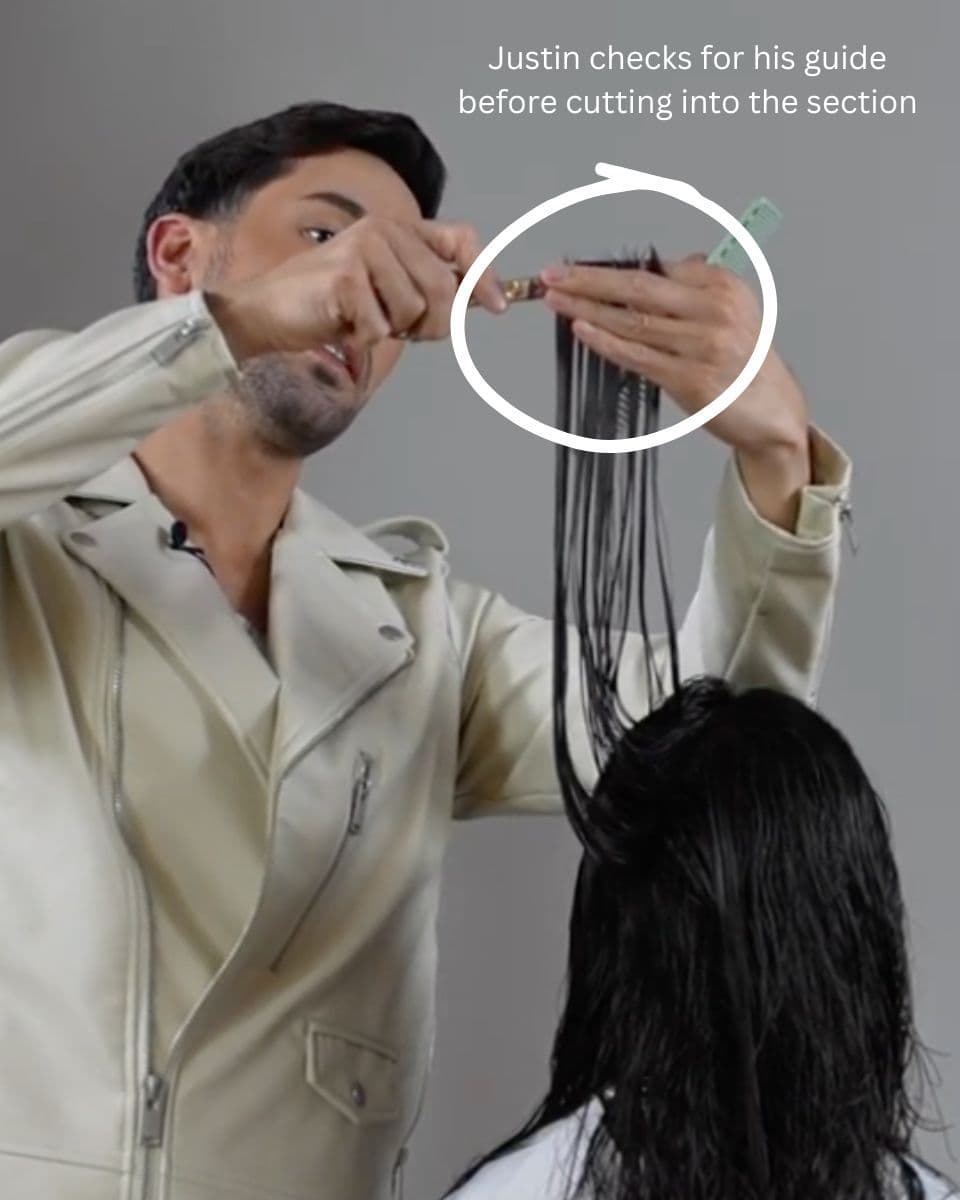
Another way Justin prevents holes is to ensure he's following his guide before cutting each section. To do so, he uses the outside of the scissor blade to bend the hair to reveal the shorter piece at the end of the section that represents his guide. See an example below:
Justin's Scissor of Choice: For this haircut, Justin selects the ARC™ Scissors PARAGON II, specifically the 7-inch model, noting its ability to handle both dense and fine hair with ease. “I’m using the 7” PARAGON II scissors, and I like to work with tools that allow me to maintain tension and create crisp lines,” he explains during the class. The PARAGON II’s longer blade is ideal for vertical cutting, making it the perfect choice for the Butterfly Cut’s foundational sections.

The perimeter shape is another area where holes can appear if not handled carefully. Justin recommends keeping the hair in its natural fall to avoid thinning out the ends excessively. He prefers to work from the hairline right into the center back, keeping everything in natural fall to make it easy to work through sections.
For stylists who prefer a more structured approach, Justin suggests sectioning out the entire back from the front using clips. Simply take a section from the crown to behind each ear and pull all of this away to keep it out of your way. This method allows for greater control and precision, particularly when working with clients who have uneven density or texture shifts.
For stylists struggling with holes in their layers, investing in advanced education can make all the difference. Justin’s BTC University class, "The Butterfly Haircut", offers an in-depth breakdown of controlled layering techniques, strategic overdirection, and precision elevation. “This class walks you through the complete method in a way that’s easy to replicate behind the chair,” Justin shares.
[btcu_course_embed id="the-butterfly-haircut"]

 Chair Share67 votes