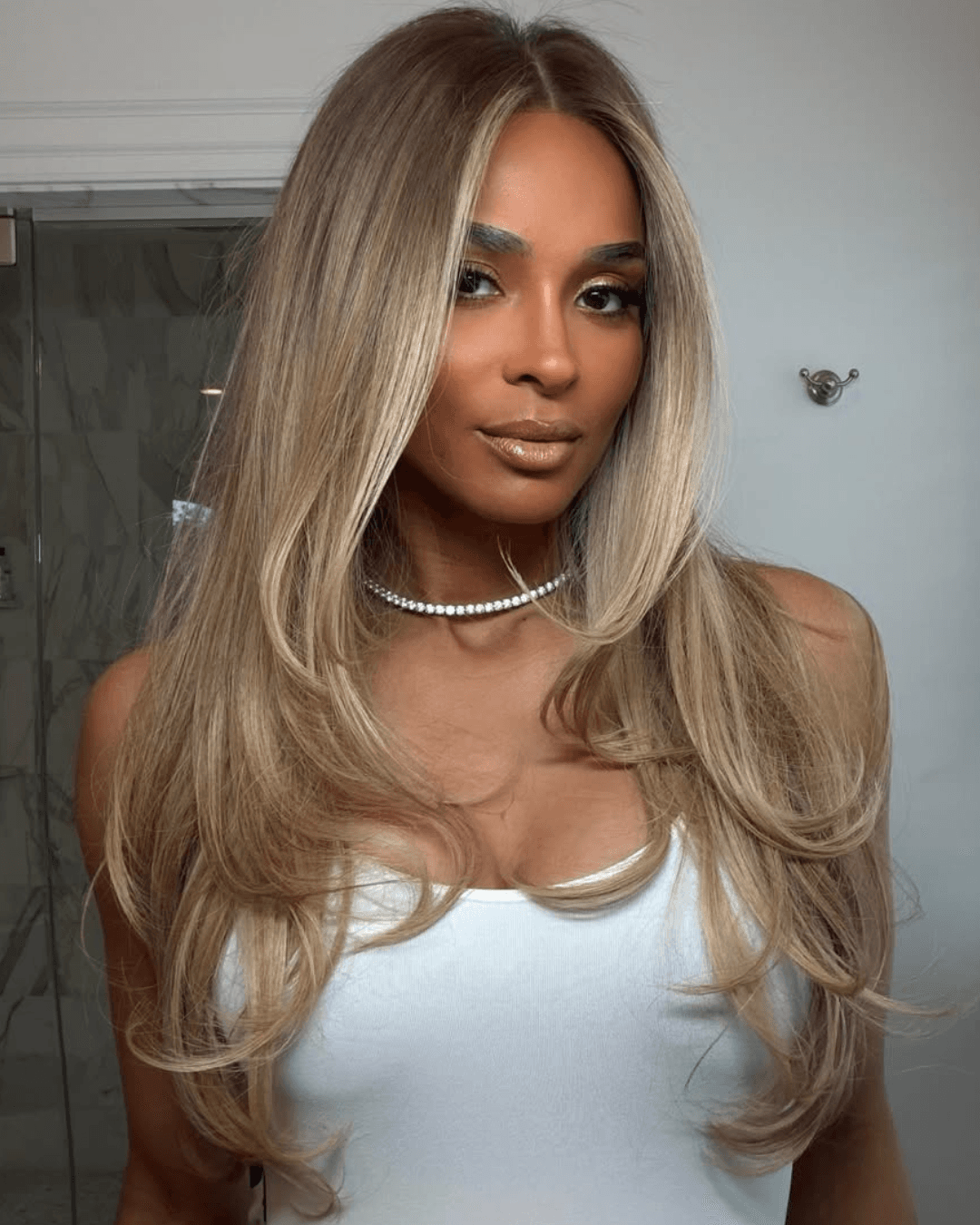
Ramen Noodle Hair is Back—But Here’s How It’s Different Than the Early ’00s Look
If you’re chronically on HairTok, then you’ve likely noticed that just about everyone—no matter the hair type—is trying out a curly hair routine. This means even those with pin-straight hair are layering on cocktails of products in an attempt to fake a curl pattern that’s not naturally there. …And no one is talking about how these “routines” are just a modern take on the early aughts’ ramen noodle hair.
Is the ramen noodle hair resurgence a recession indicator? Just another late ’90s/early ’00s trend making a comeback? Who’s to say? But these creators aren’t fooling us; we know these “routines” aren’t new. Ahead, we’re breaking down how “curly routines for straight hair” TikToks are similar and (a little) different than ramen noodle hair. Spoiler: The updated look doesn’t include straightened bangs using a wet-to-dry flatiron.
What is Ramen Noodle Hair?
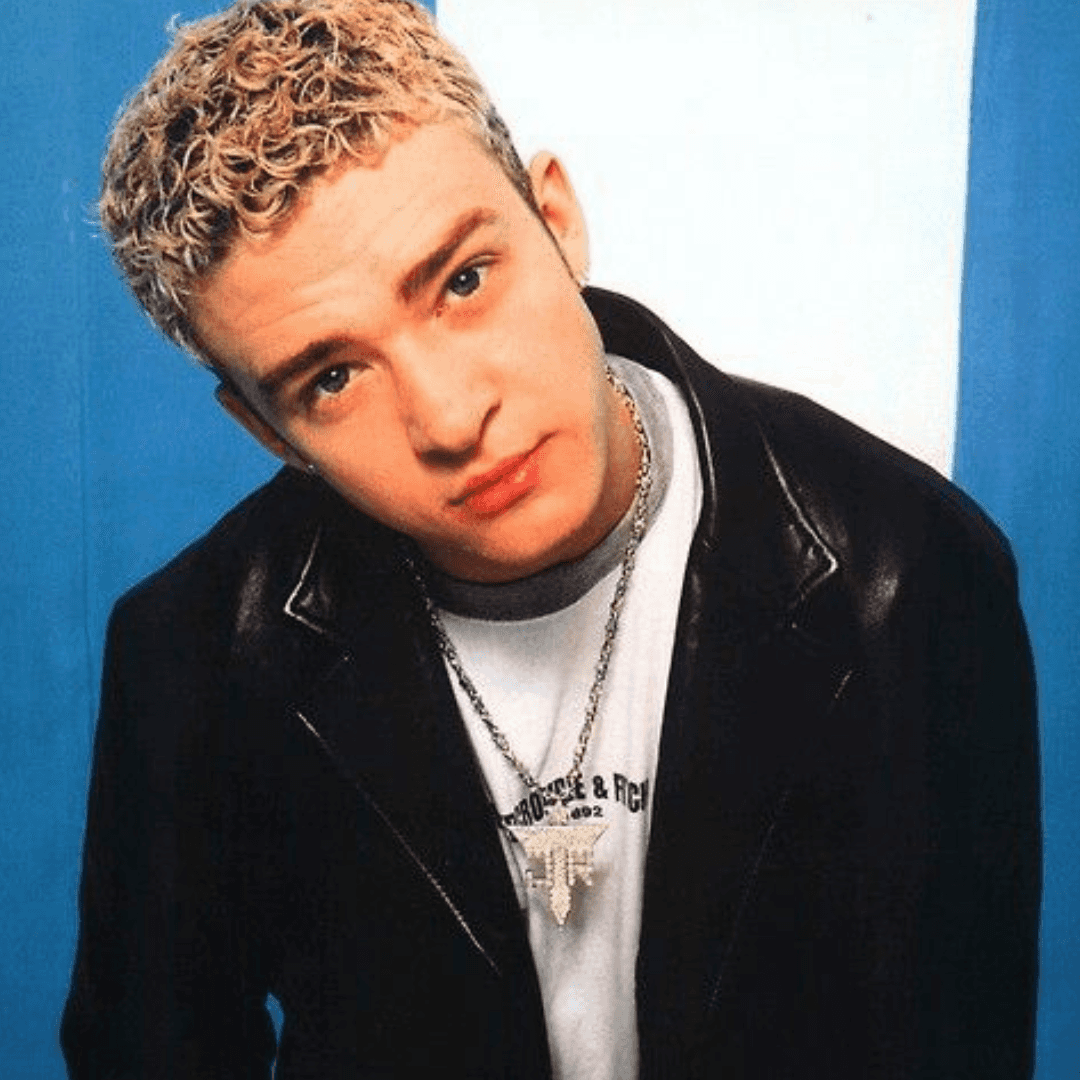
In the early 2000s, ramen noodle hair was defined by hair unnaturally forced into waves using hard styling gels. The look mimicked the texture of cooked instant noodles. It was usually achieved by using gel on wet hair and “scrunching” sections from the ends to the root.
Sometimes the look could also be achieved with mini braids left overnight, crimping irons or even small perm rods. It was rarely natural-looking—it was forced, frizzy and more often than not crunchy. Bone-straight bangs lying flat against ramen-textured lengths usually completed the look.

Ramen noodle hair was seen on everyone including stars like Justin Timberlake and Ke$ha, as well as on pretty much every Y2K red carpet.
Here’s a look at the early ’00s take on the trend:
The 2025 Ramen Revival: More Polished, Less Crunchy
Just like the resurgence of low-rise jeans, jean skirts and baby tees, the root of today’s ramen noodle hair trend is clearly nostalgic. However, there are some big differences between then and now. Today’s “curly hair routine” boom has Gen Z and millennials investing in multi-step processes to encourage curl or wave formation on Types 1, 2A and 2B strands.
The main difference? Instead of leaving hair with a hard crunchy finish, modern takes on the trend are mixing the below products to achieve a softer, more natural look:
-
Layering mousses, curl creams, gels and oils
-
“Breaking the cast” AKA removing the gel-hardened cast with an oil is the key step that differentiates the modern look from the past. Here are our suggestions for a perfect curly routine:
- Mousse, Cream and Gel: Joico Curls Like Us™ Collection:
- Smooth & Bounce Hydrating Foam
- Hydrate & Define Curl Crème
- Define & Seal Defining Gelée
- Cast-Breaking Oil: amika Superfruit Star Lightweight Hair Styling Oil
- Mousse, Cream and Gel: Joico Curls Like Us™ Collection:
-
-
Diffusing with a blow-dryer, t-shirt, sock or even a cooking strainer (yes, really)
-
Plopping, micro-plopping, scrunching and the “rake and shake” method
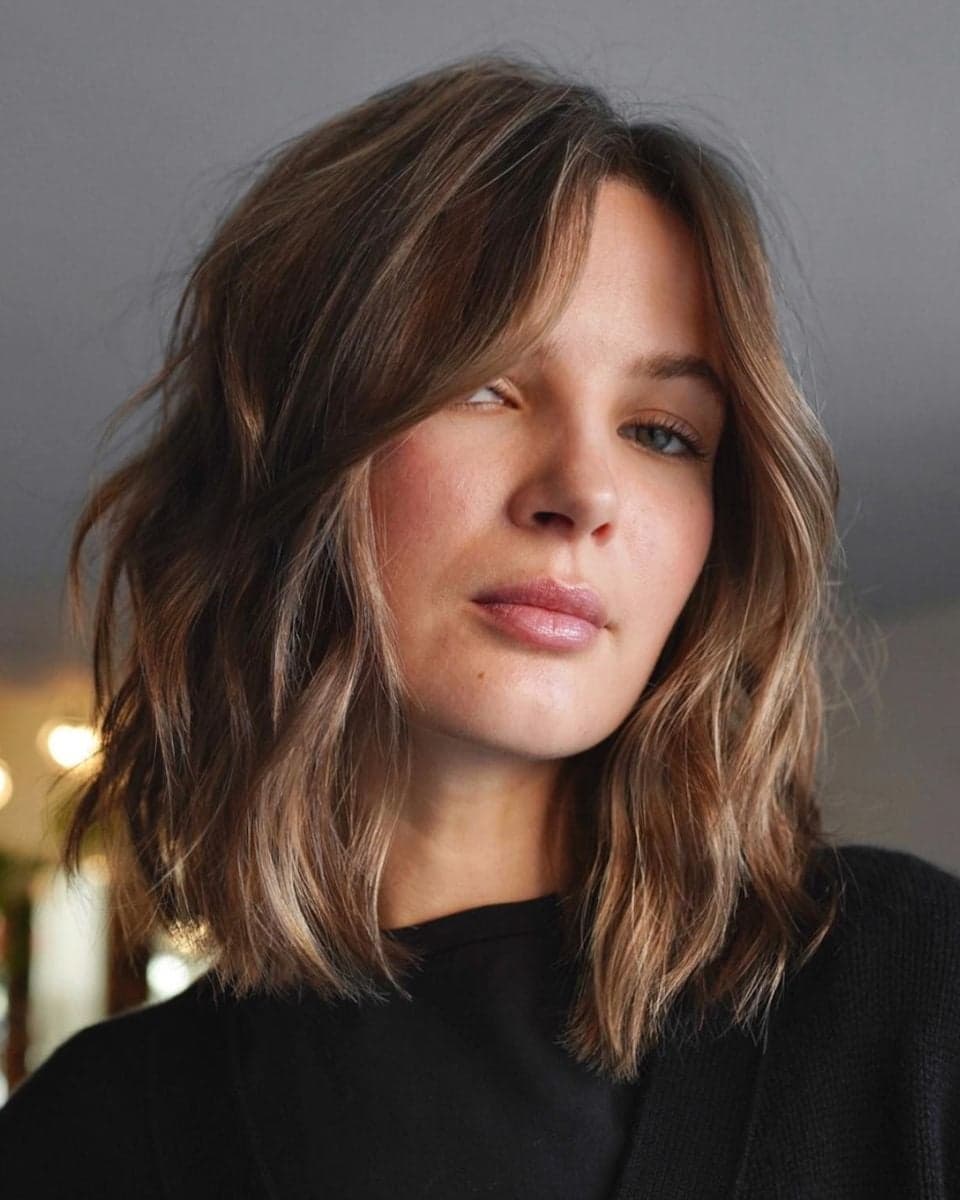
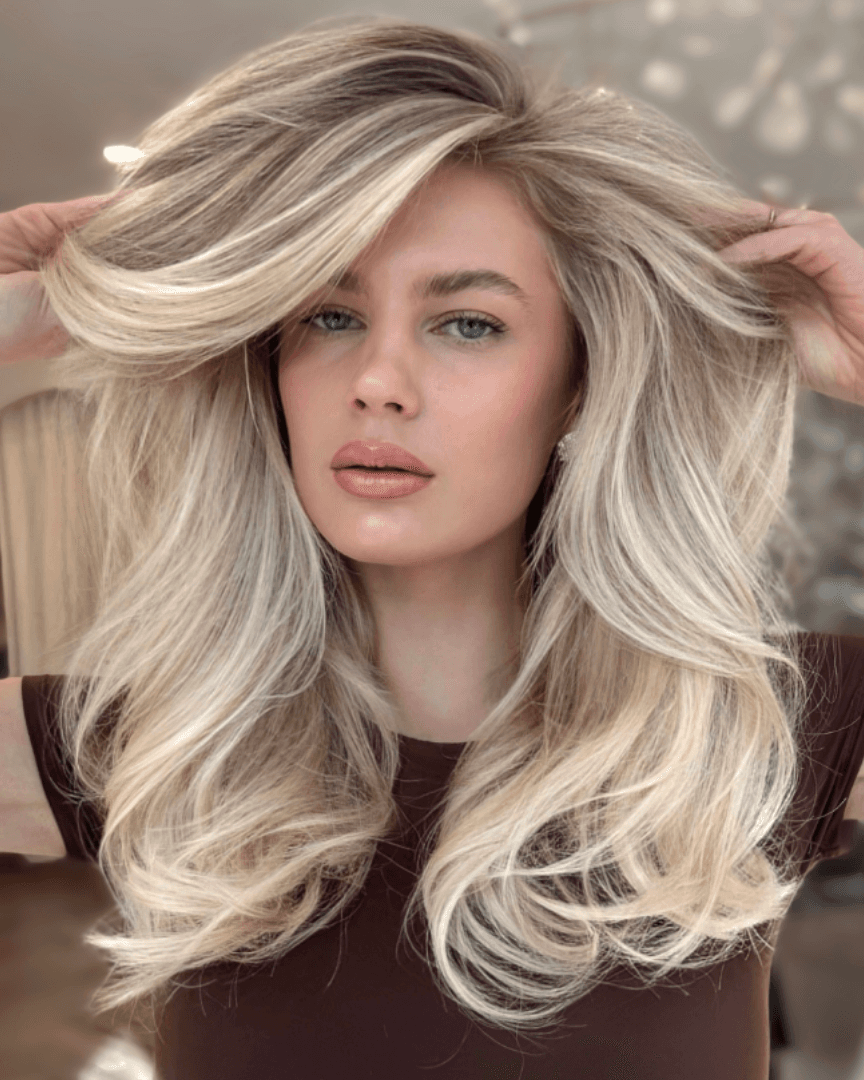
So yes, while the result still mimics that ramen-esque texture, the how has gotten a bit of an upgrade. The modern take is all about definition, moisture and frizz control instead of forcing hair into an unrealistic shape.
Watch these TikToks and scroll for modern tutorials and takes on the look:
- Greta Wilson’s (@itsgretawilson) wavy hair routine.
- Madeleine Youll’s (@madeleineyoull) straight-to-wavy how-to.
- Creator @hannahhnotmontanaa walks through creating waves using the Bounce Curl® Volume Edgelift Brush.
What Hairstylists Should Know:
As a stylist, expect more clients asking for:
-
Textured styles on naturally straight hair
-
Low-heat styling methods that mimic curl patterns
-
Product recommendations for defining waves without crunch
-
’90s/Y2K texture for editorial and special event styling
You’ll want to have a solid grasp of the viral techniques (like plopping or rake-and-shake methods), plus be able to help clients decode the difference between creating temporary texture vs. causing unnecessary damage through over-styling.
Up Next: The 2025 BTC Show Classroom Lineup Is Here & It’s Unlike Anything You’ve Seen Before.