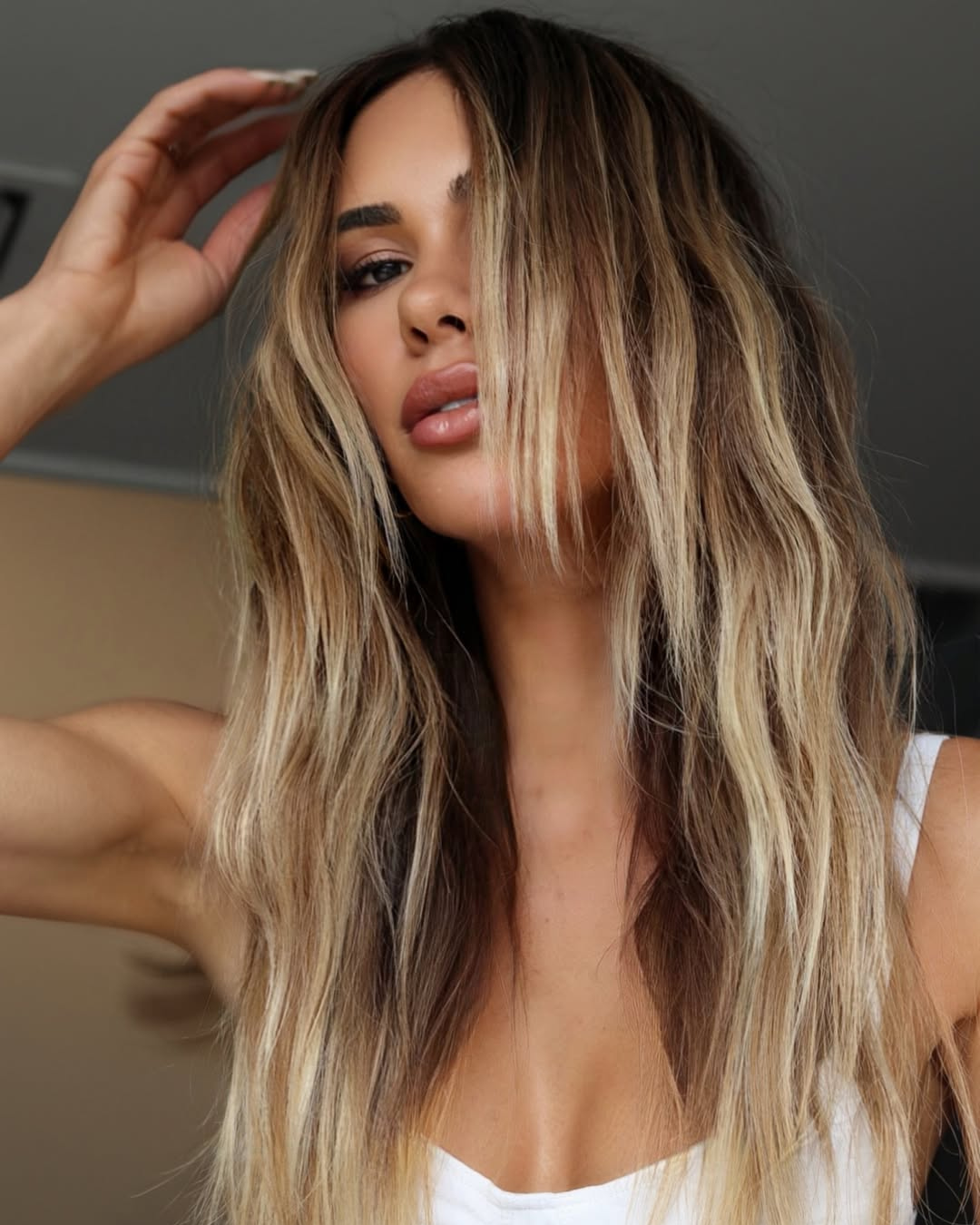
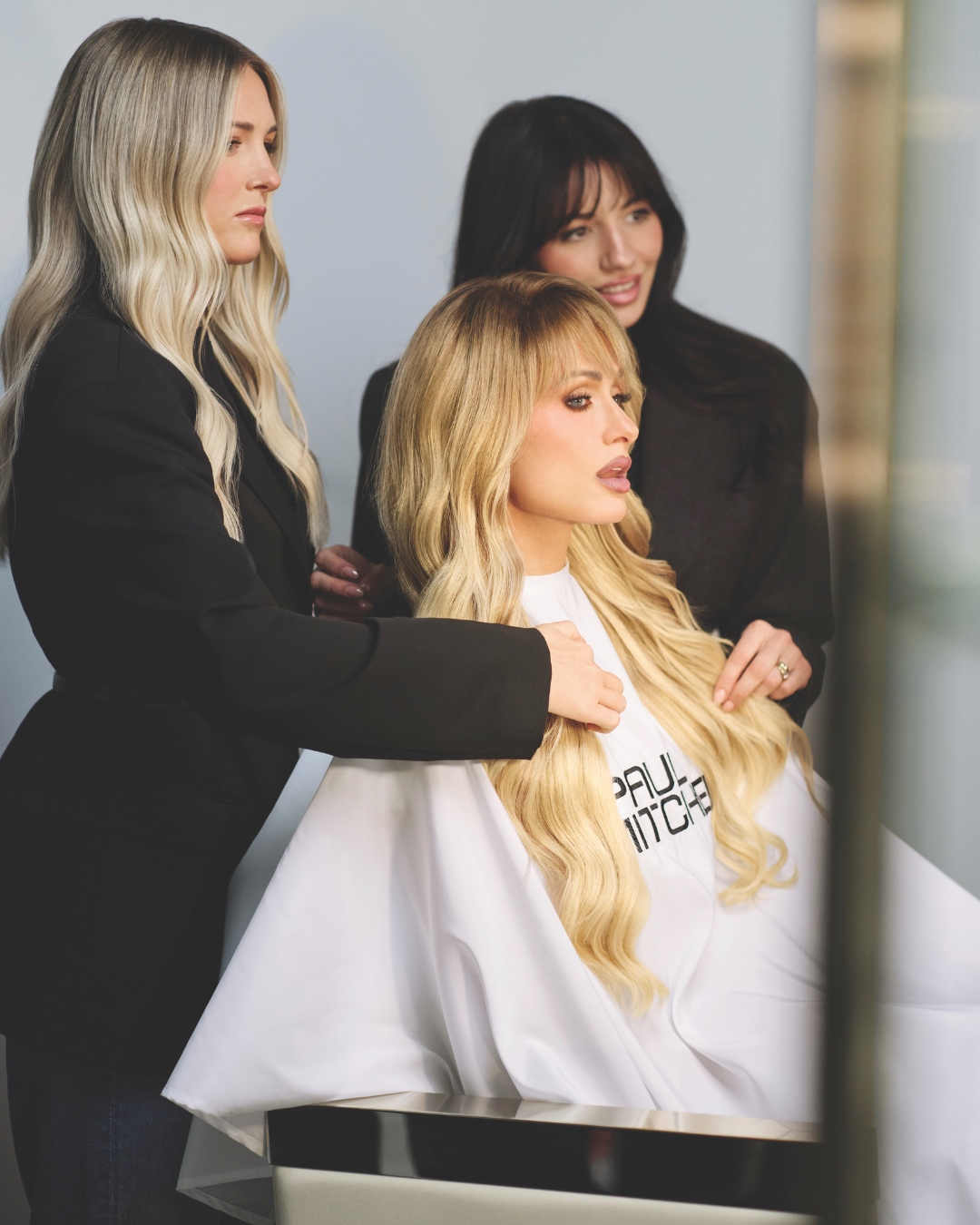
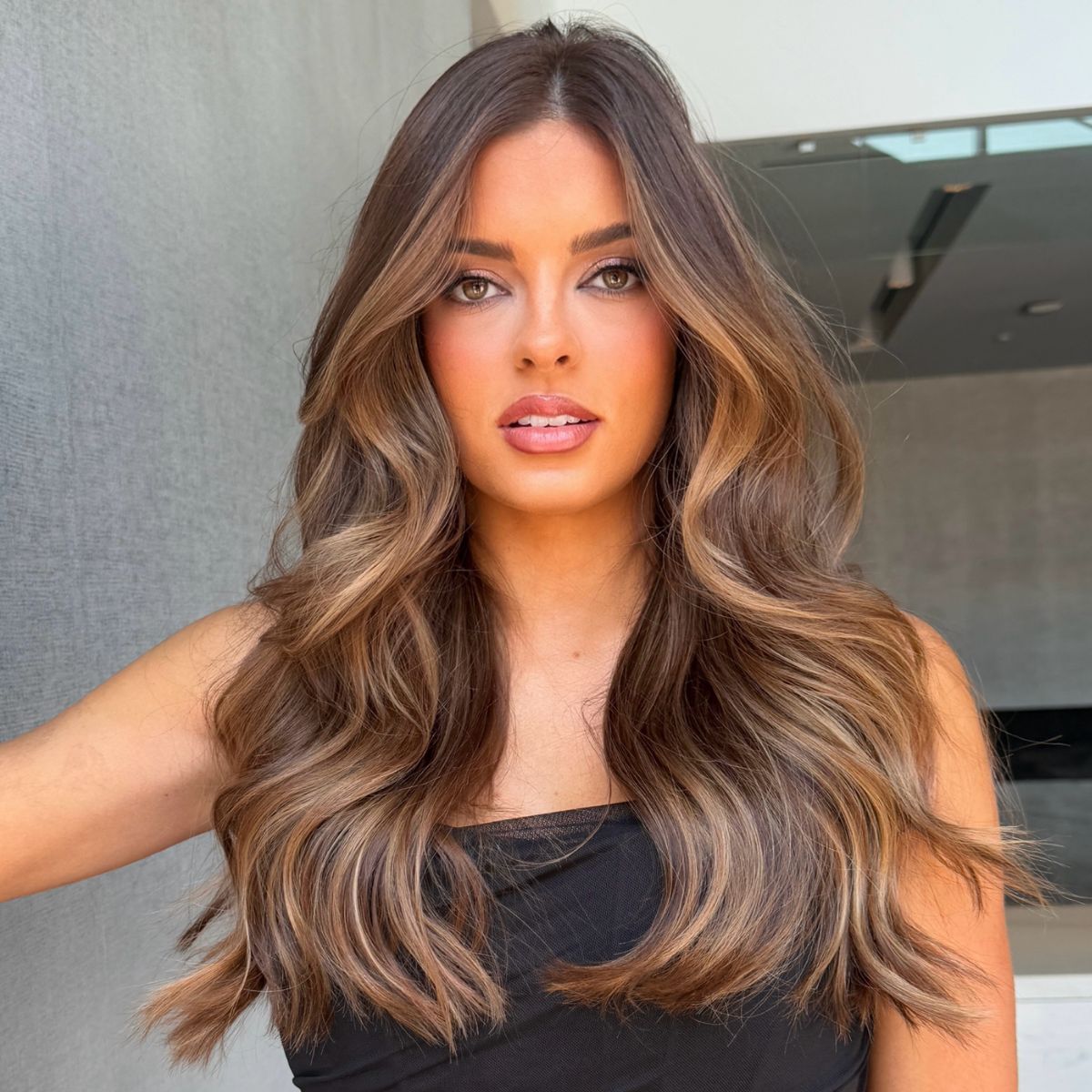
In Atlas—the new trend release from Joico International Creative Directors Damien Carney and Sue Pemberton—Damien creates a graduated cut with a modern, head-hugging silhouette. “The longer internal lengths are perfect for placing defined color areas or zones,” he says. “The result is a super hi-def, reflective hair surface and an ultra-modern, futuristic shape.” Subscribe to behindthechair.com On Paper – 5 Issues only $29.95! SUBSCRIBE NOW! On Paper Keyword: colorjoico, businessjoico (more…)
- 1Step 1 of 36

- 2Step 2 of 36
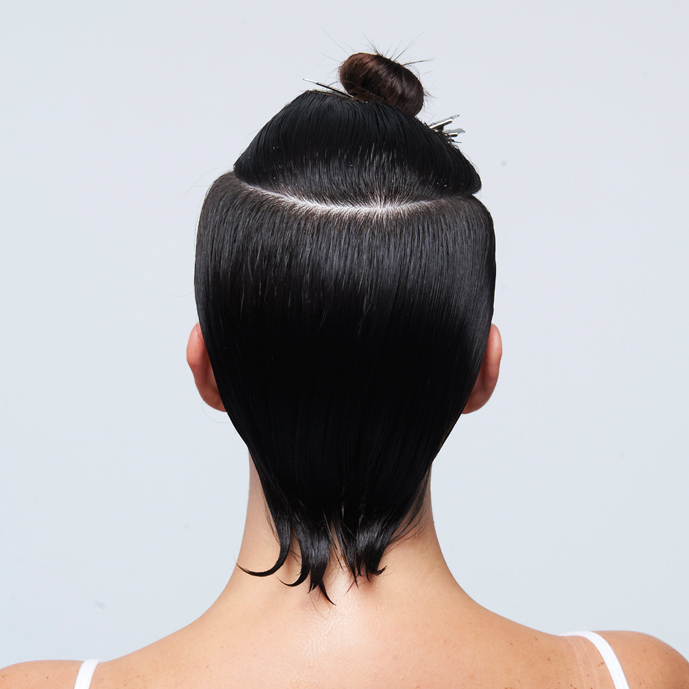 Section the hair as shown.
 - 3Step 3 of 36
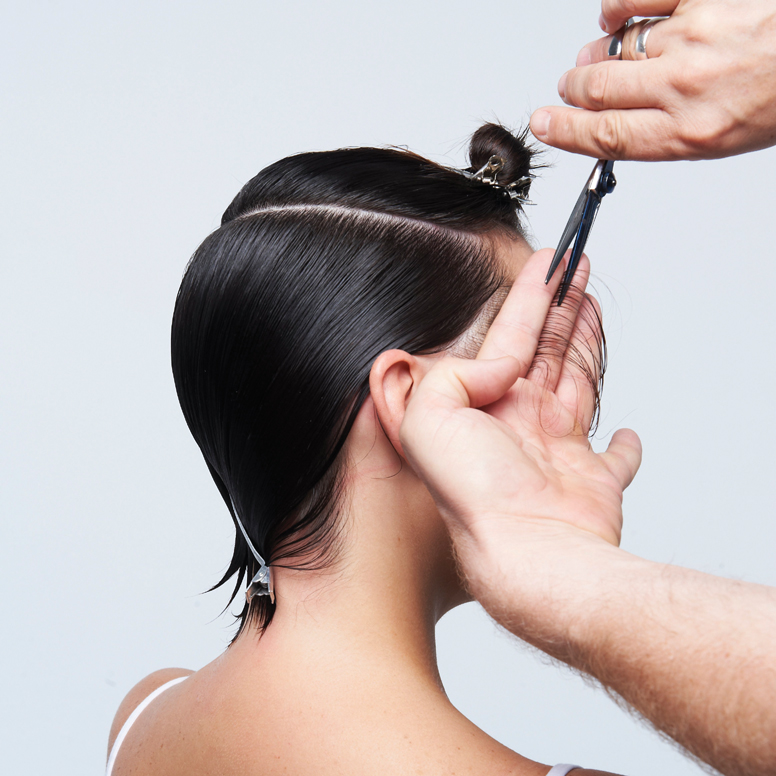 Take a diagonal parting and cut to the desired length.
 - 4Step 4 of 36
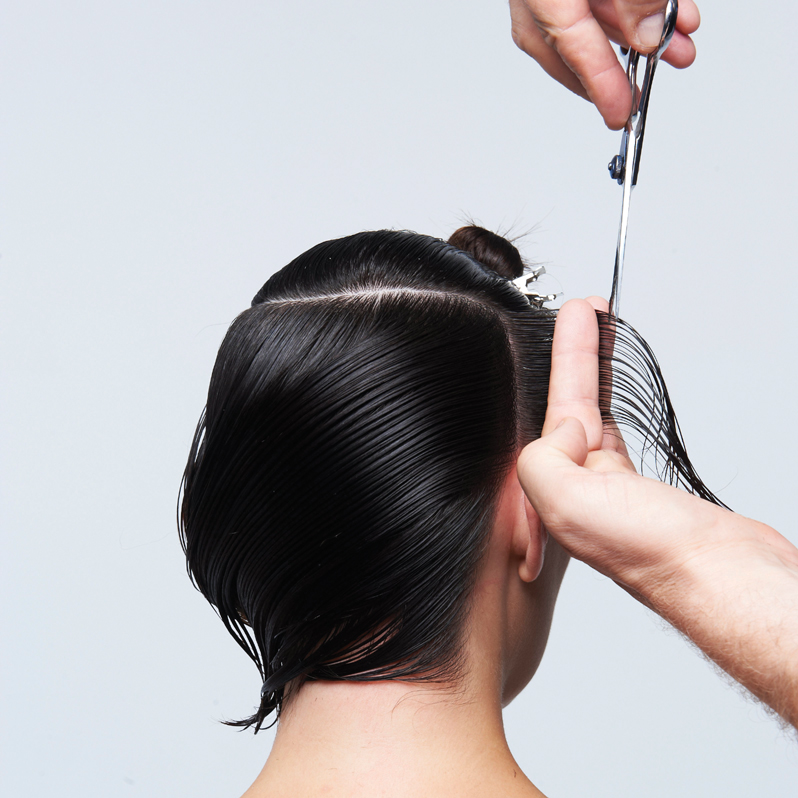 Continue to work toward the back center of the head using the traveling guideline.
 - 5Step 5 of 36
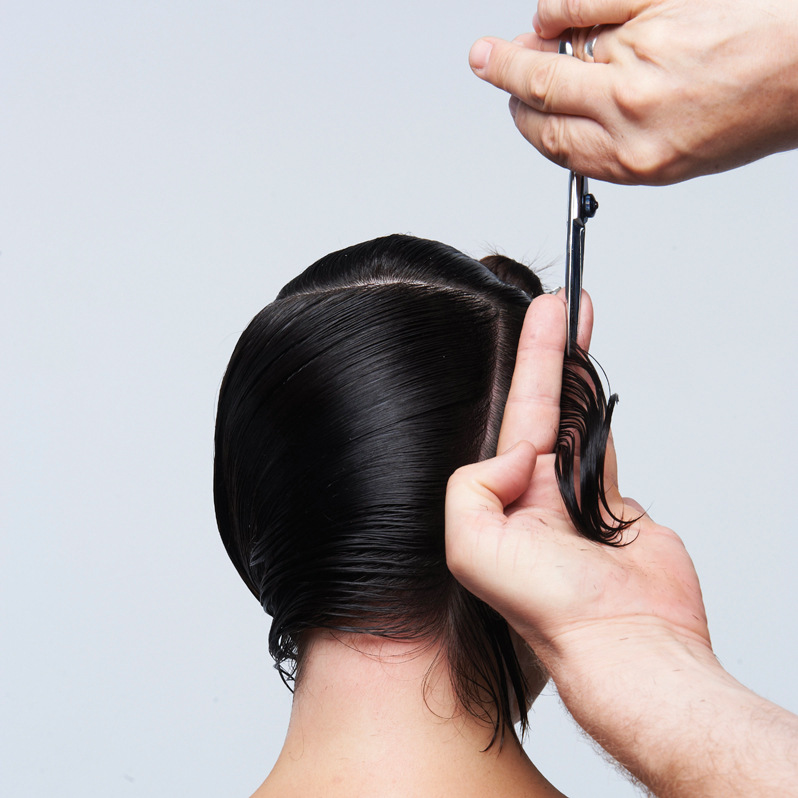 Continue to work toward the back center of the head using the traveling guideline.
 - 6Step 6 of 36
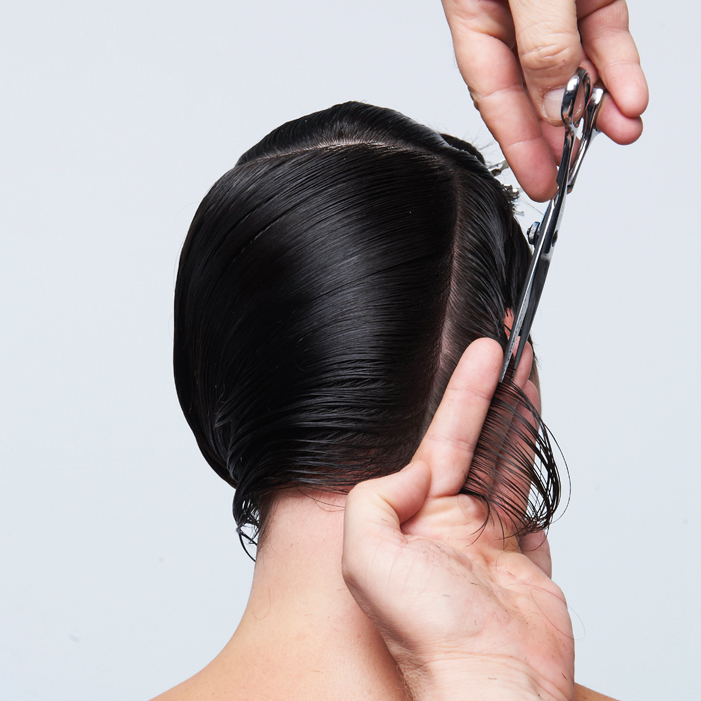 Continue to work toward the back center of the head using the traveling guideline.
 - 7Step 7 of 36
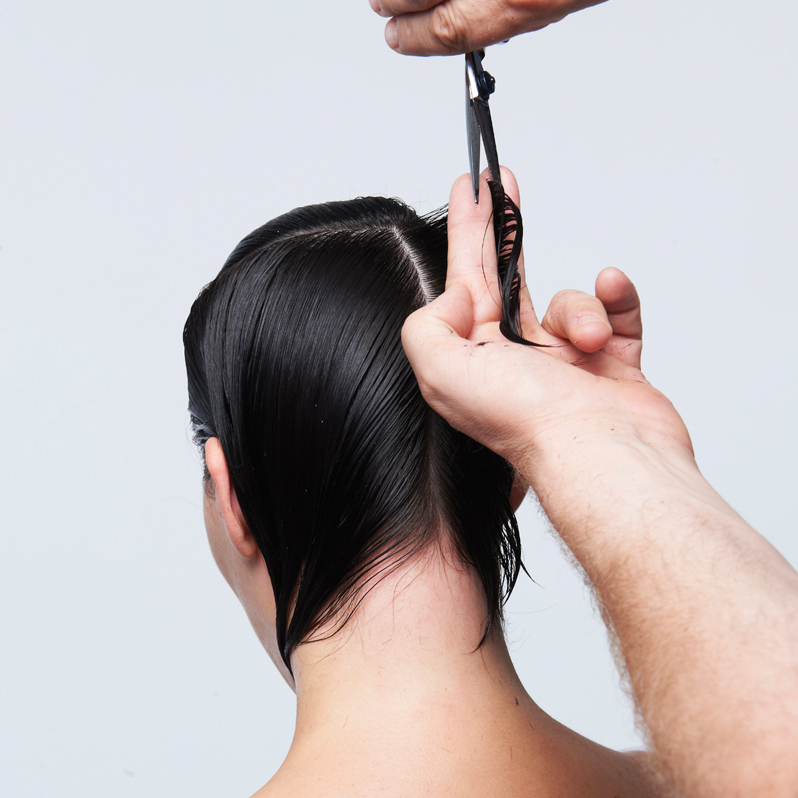 Continue to work toward the back center of the head using the traveling guideline.
 - 8Step 8 of 36
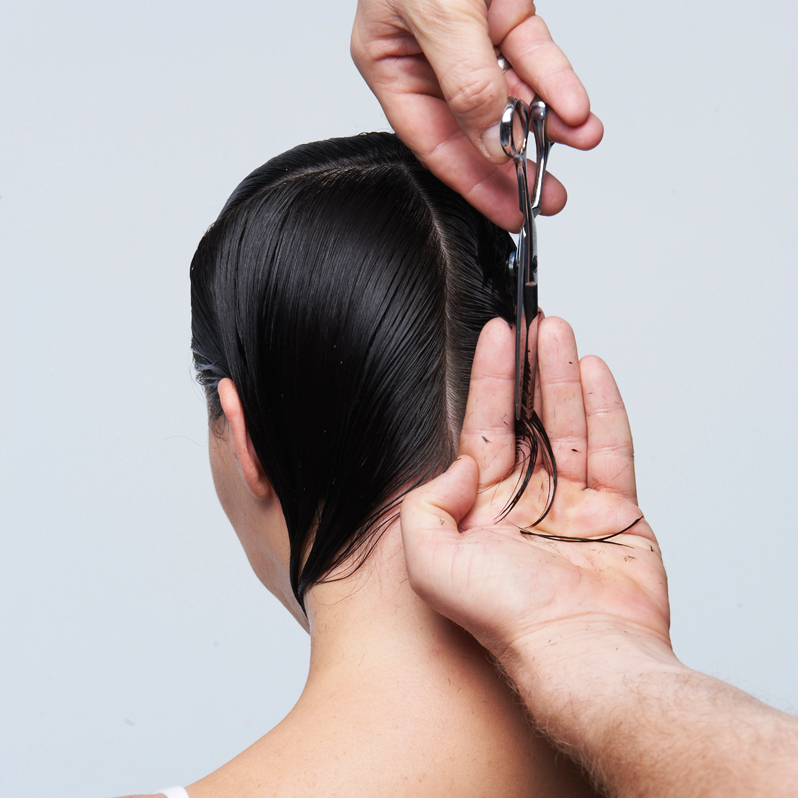 Continue to work toward the back center of the head using the traveling guideline.
 - 9Step 9 of 36
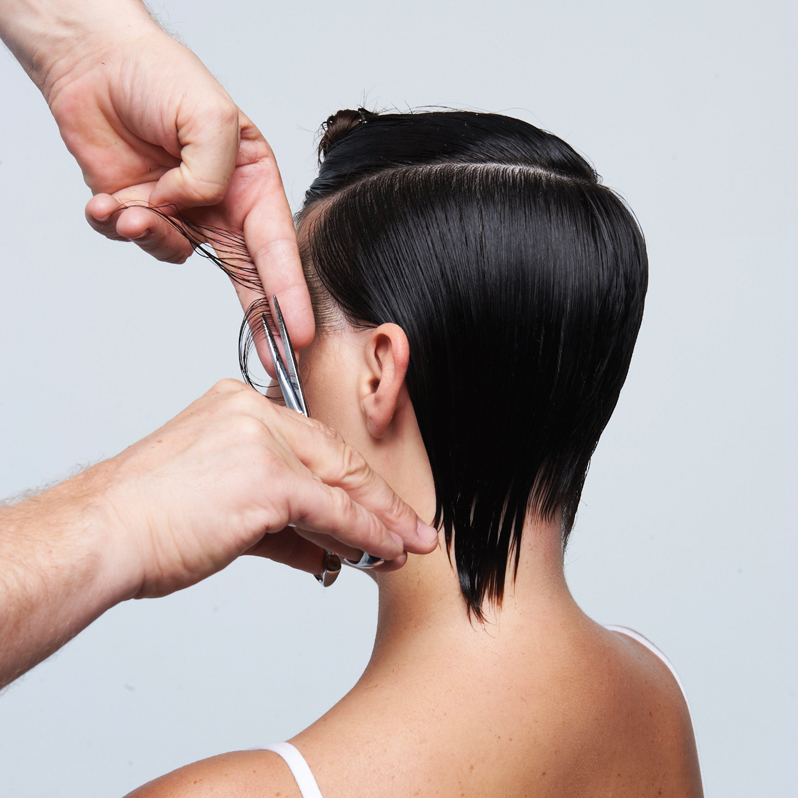 Proceed to the opposite side of the head and repeat the process. Continue to elevate each parting to avoid excess weight and bulk. Note: In the areas behind the ear and around the nape, the partings are overdirected to create extra length, weight, and an asymmetrical back area.
 - 10Step 10 of 36
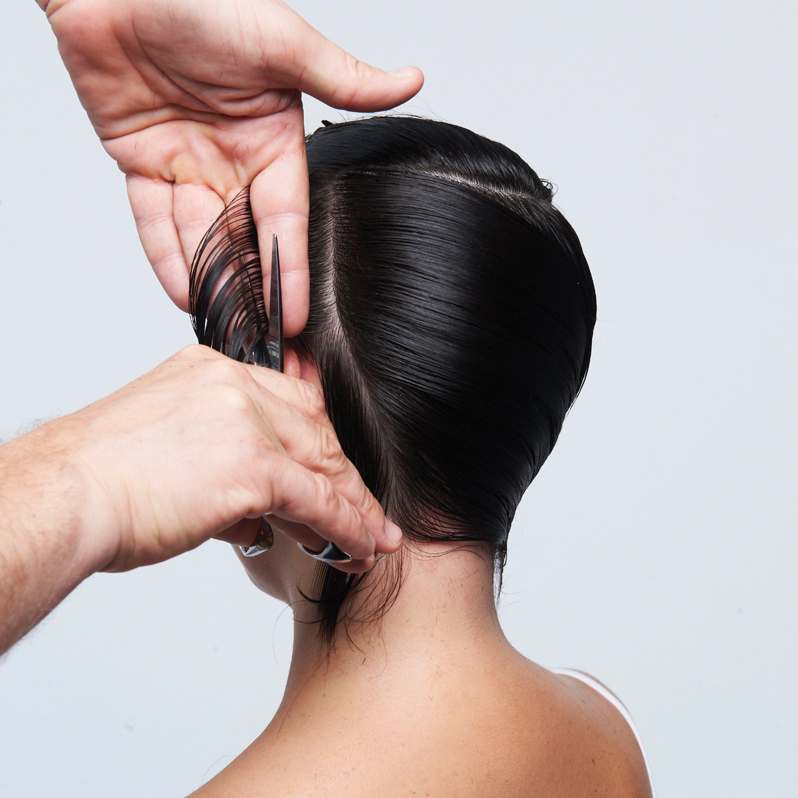 Proceed to the opposite side of the head and repeat the process. Continue to elevate each parting to avoid excess weight and bulk. Note: In the areas behind the ear and around the nape, the partings are overdirected to create extra length, weight, and an asymmetrical back area.
 - 11Step 11 of 36
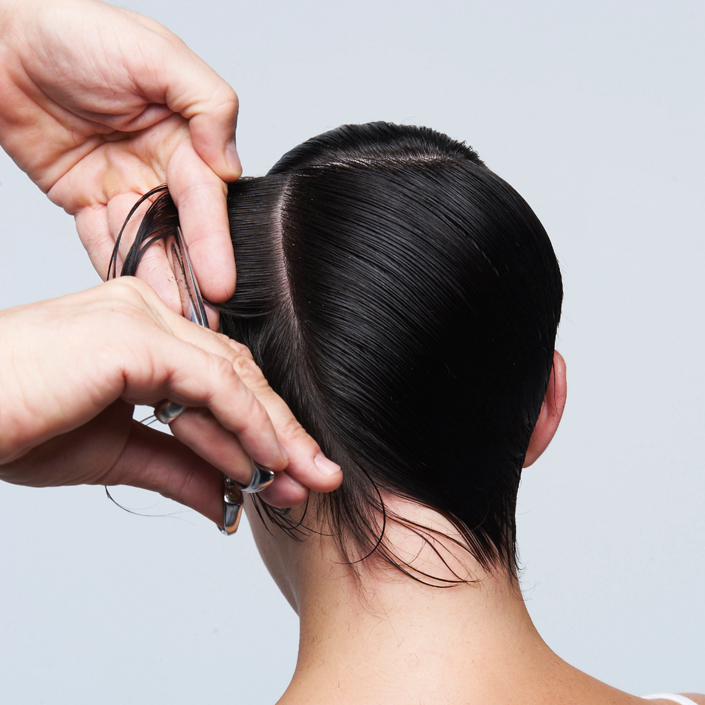 Proceed to the opposite side of the head and repeat the process. Continue to elevate each parting to avoid excess weight and bulk. Note: In the areas behind the ear and around the nape, the partings are overdirected to create extra length, weight, and an asymmetrical back area.
 - 12Step 12 of 36
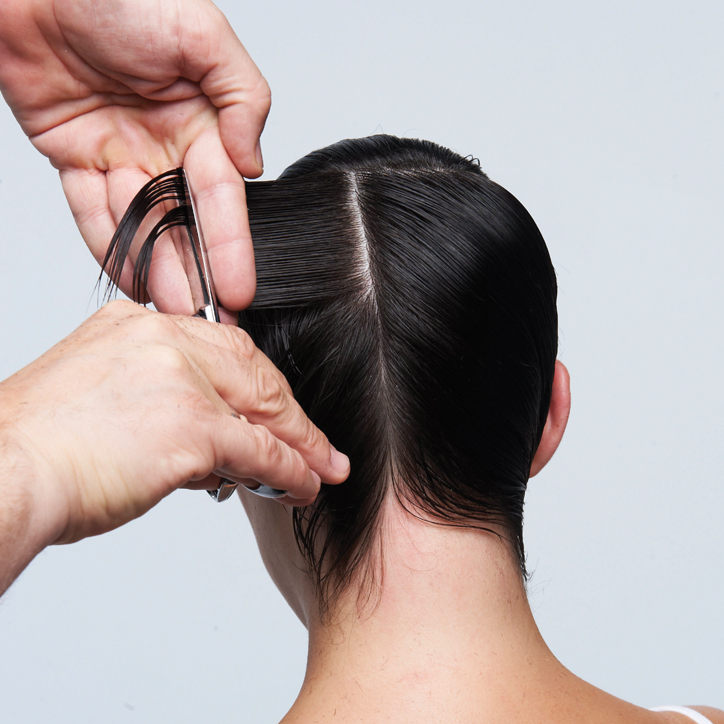 Proceed to the opposite side of the head and repeat the process. Continue to elevate each parting to avoid excess weight and bulk. Note: In the areas behind the ear and around the nape, the partings are overdirected to create extra length, weight, and an asymmetrical back area.
 - 13Step 13 of 36
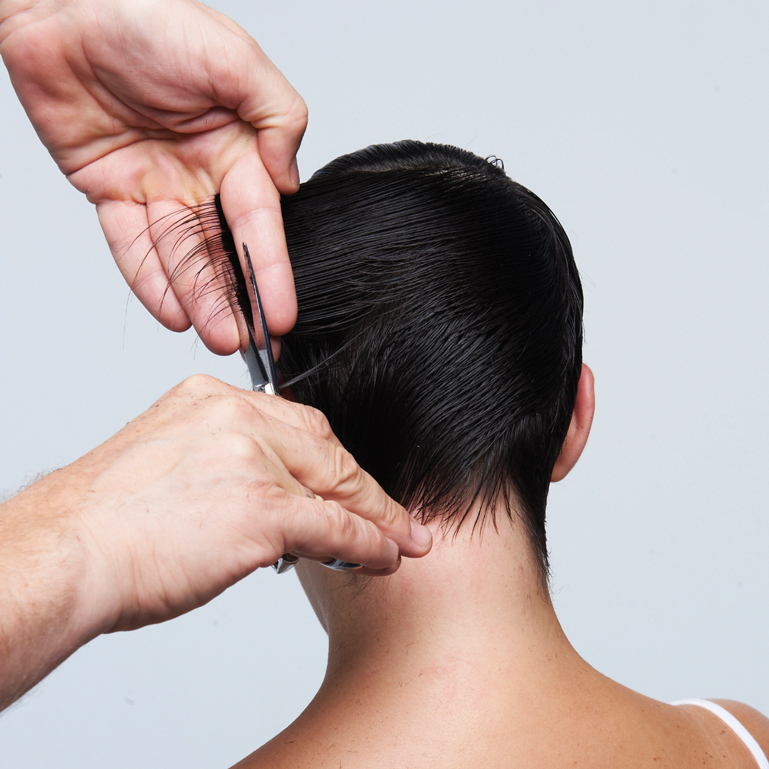 Proceed to the opposite side of the head and repeat the process. Continue to elevate each parting to avoid excess weight and bulk. Note: In the areas behind the ear and around the nape, the partings are overdirected to create extra length, weight, and an asymmetrical back area.
 - 14Step 14 of 36
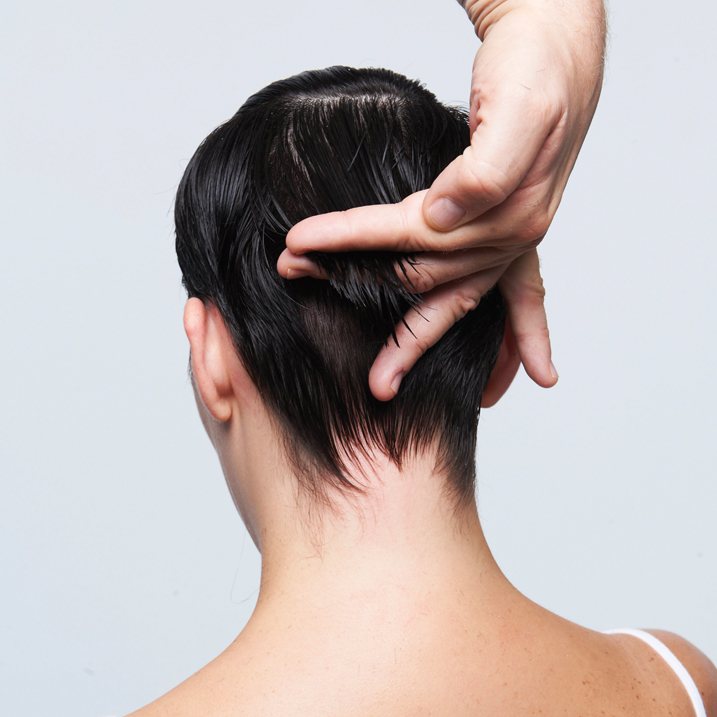 View of the disconnected area.
 - 15Step 15 of 36
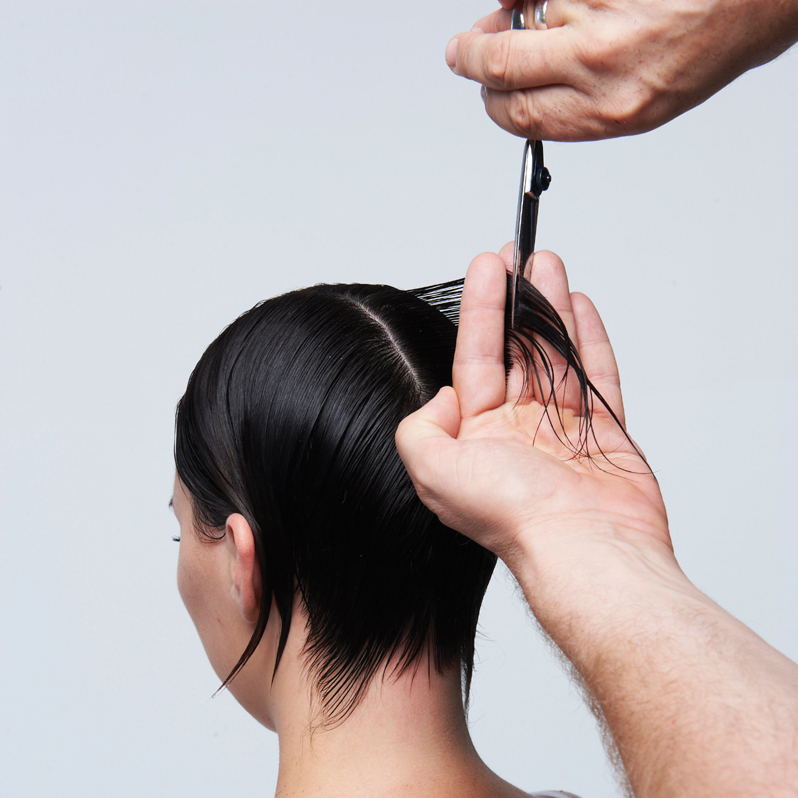 Proceed to connect the crown area to the top front hairline: Take a vertical parting and cut a length that extends from the crown into the longer front fringe area.
 - 16Step 16 of 36
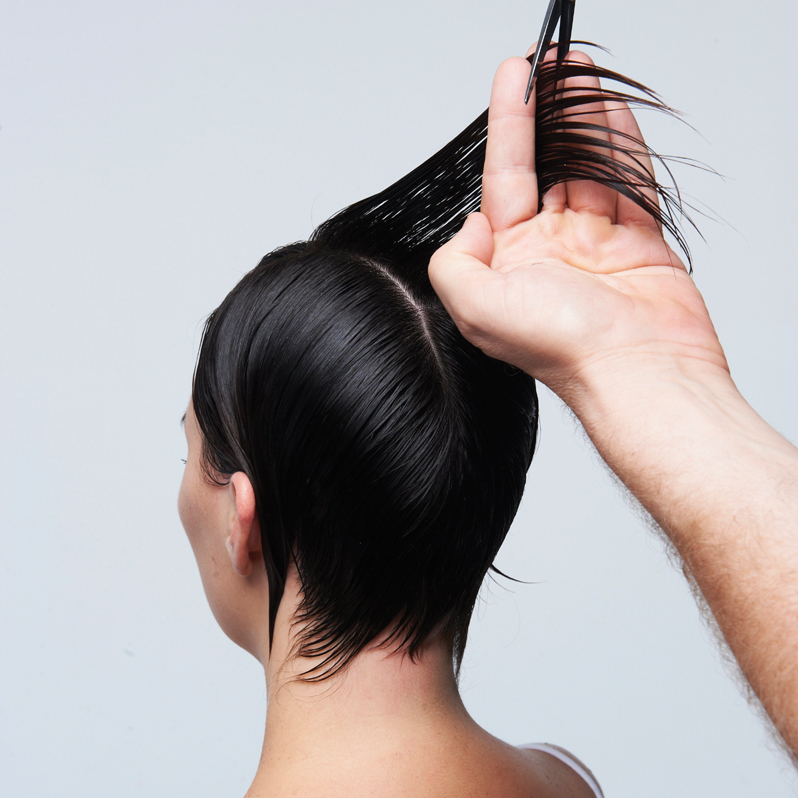 Proceed to connect the crown area to the top front hairline: Take a vertical parting and cut a length that extends from the crown into the longer front fringe area.
 - 17Step 17 of 36
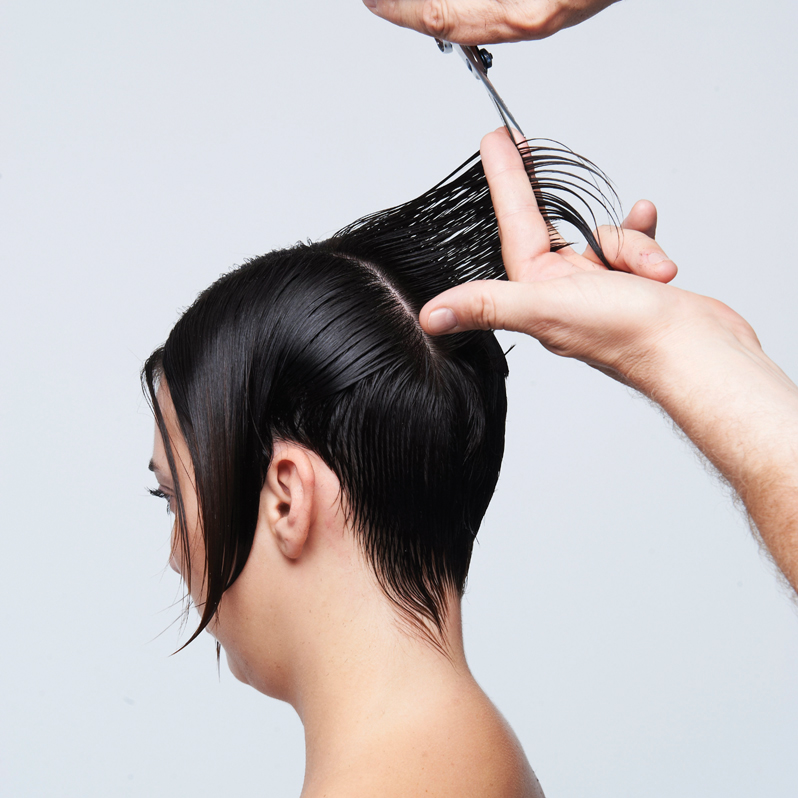
Continue to pivot around the head by overdirecting to the first guide. Pay close attention to the crown growth pattern. Repeat the process on the opposite side (top area). Blow dry hair smooth using a Denman brush.
- 18Step 18 of 36
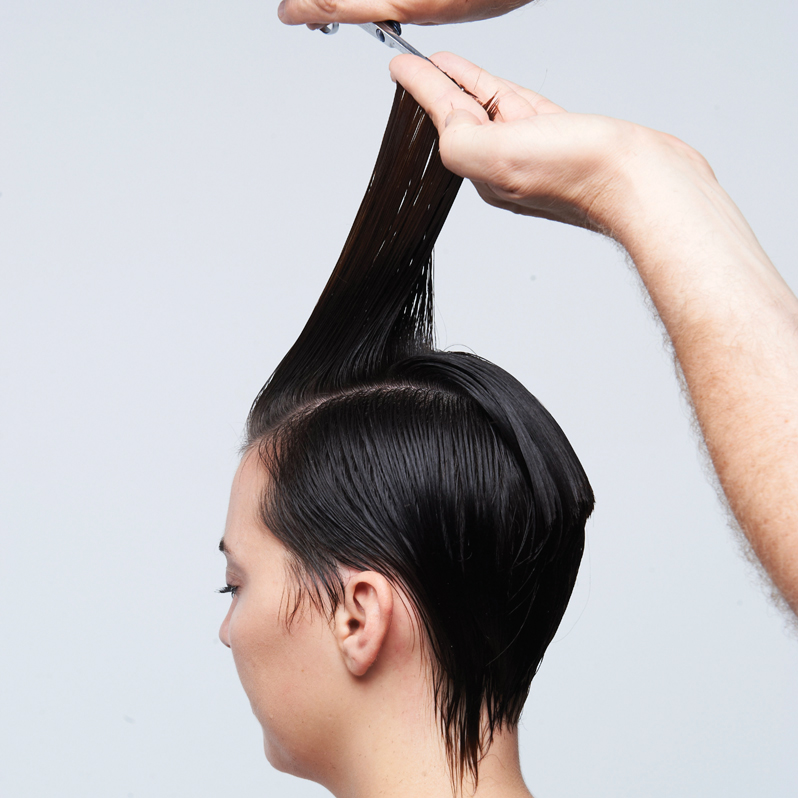
Continue to pivot around the head by overdirecting to the first guide. Pay close attention to the crown growth pattern. Repeat the process on the opposite side (top area). Blow dry hair smooth using a Denman brush.
- 19Step 19 of 36
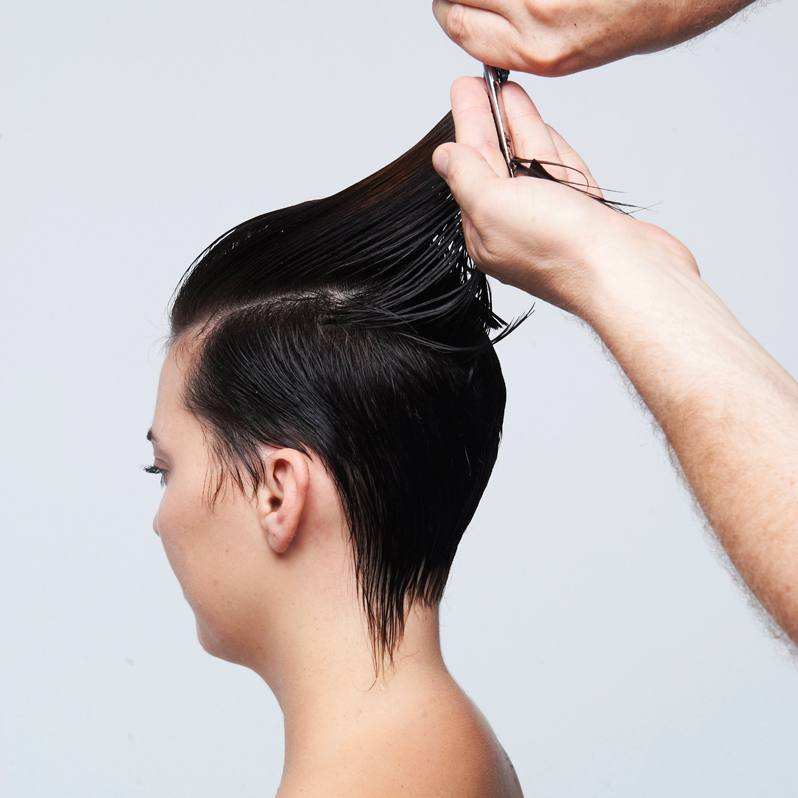
Continue to pivot around the head by overdirecting to the first guide. Pay close attention to the crown growth pattern. Repeat the process on the opposite side (top area). Blow dry hair smooth using a Denman brush.
- 20Step 20 of 36
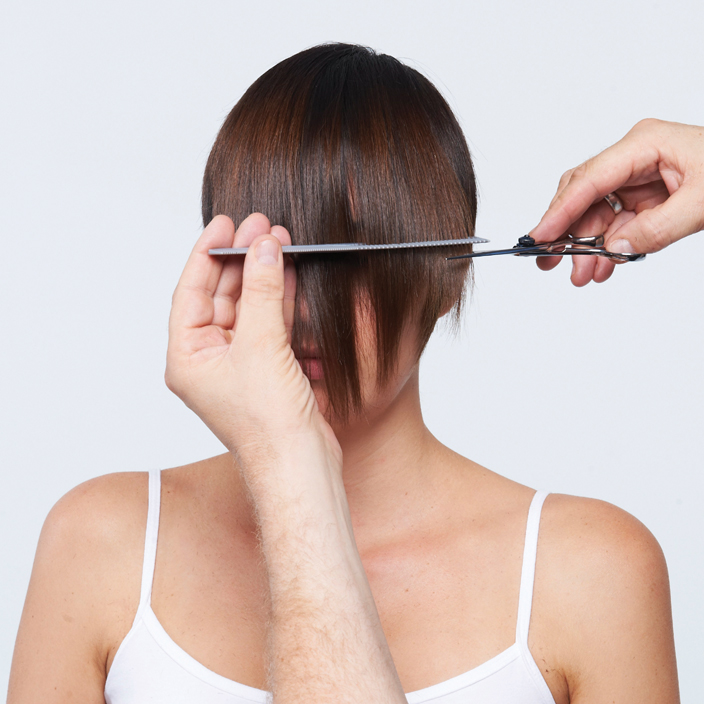 Cut a heavy, curved fringe area. Elevate accordingly to create a beveled, curved line. Chip, elevate and lightly point cut into the external line.
 - 21Step 21 of 36
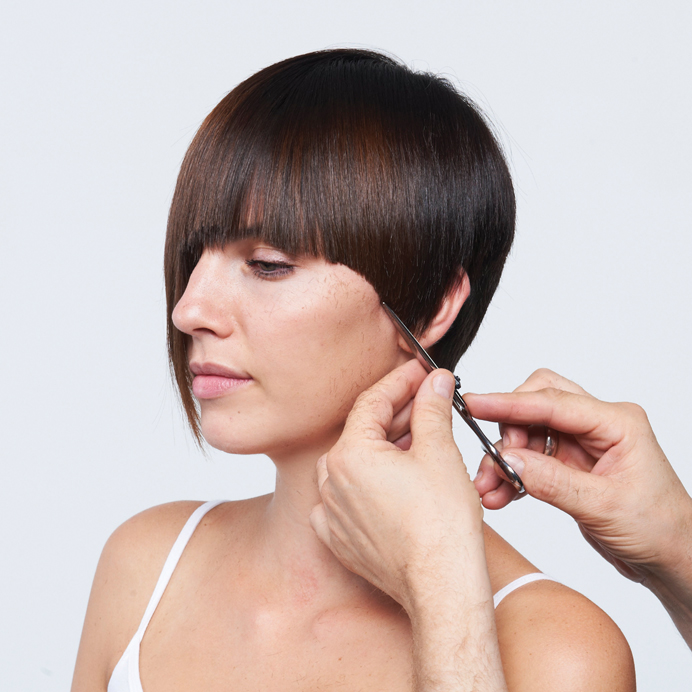 Cut a heavy, curved fringe area. Elevate accordingly to create a beveled, curved line. Chip, elevate and lightly point cut into the external line.
 - 22Step 22 of 36
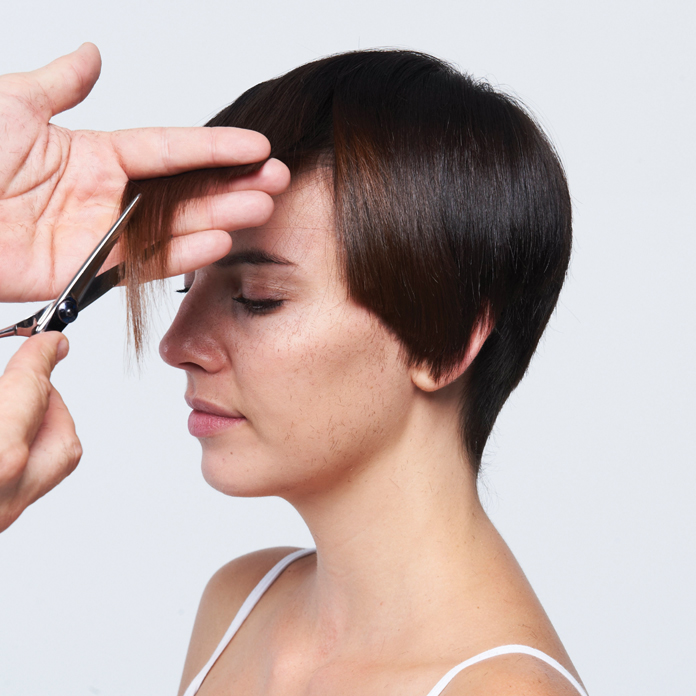 Cut a heavy, curved fringe area. Elevate accordingly to create a beveled, curved line. Chip, elevate and lightly point cut into the external line.
 - 23Step 23 of 36
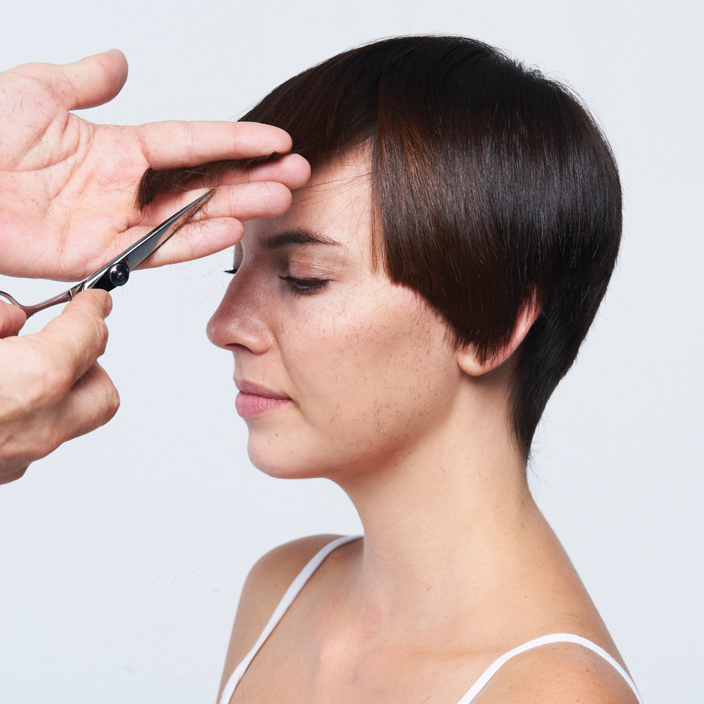 Cut a heavy, curved fringe area. Elevate accordingly to create a beveled, curved line. Chip, elevate and lightly point cut into the external line.
 - 24Step 24 of 36
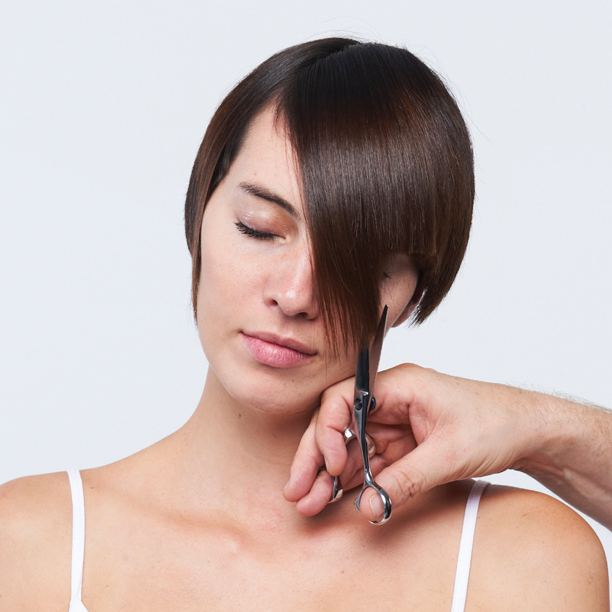 Tilt the head slightly to further refine the outline.
 - 25Step 25 of 36
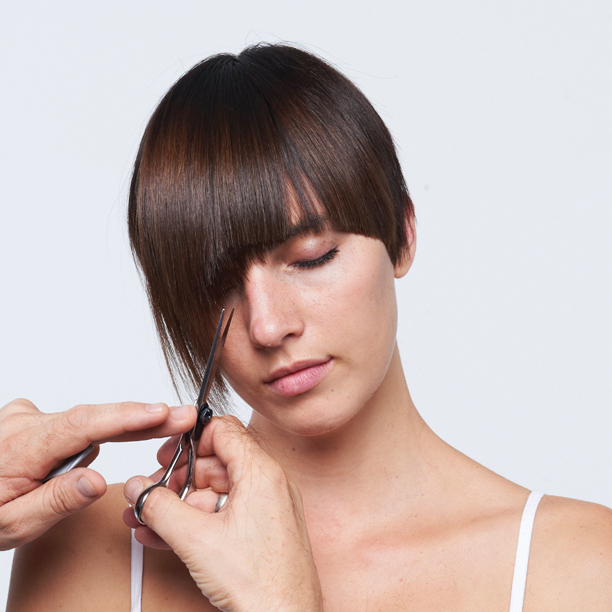 Tilt the head slightly to further refine the outline.
 - 26Step 26 of 36
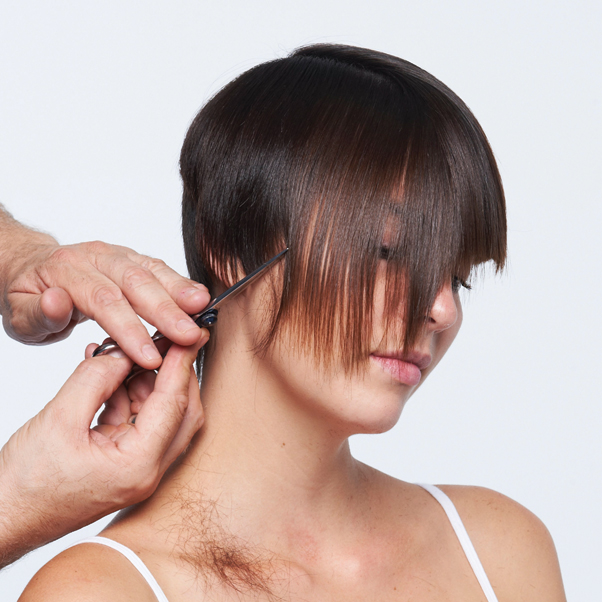 Proceed to the opposite side. Continue the curved fringe/side area using the chipping and pointing technique.
 - 27Step 27 of 36
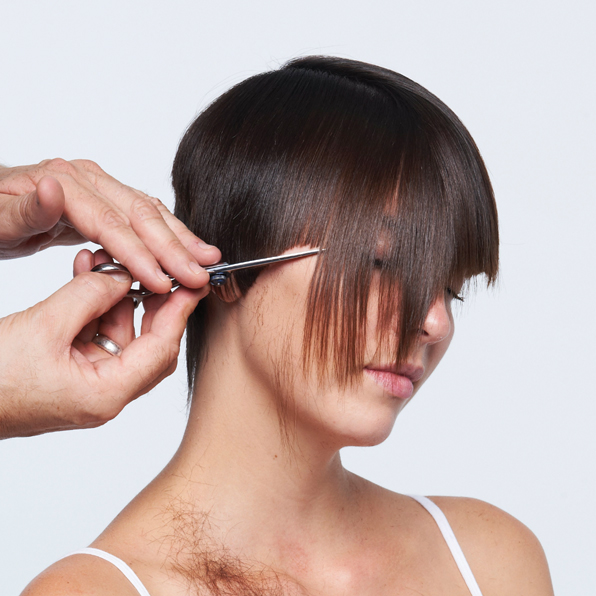 Proceed to the opposite side. Continue the curved fringe/side area using the chipping and pointing technique.
 - 28Step 28 of 36
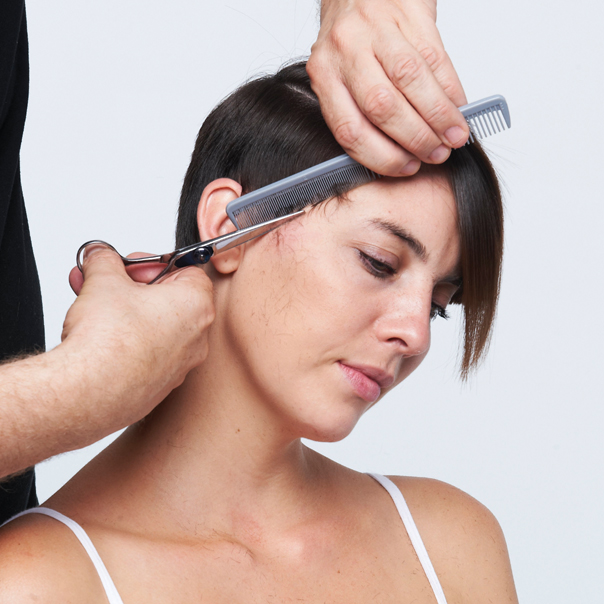 Proceed to the opposite side. Continue the curved fringe/side area using the chipping and pointing technique.
 - 29Step 29 of 36
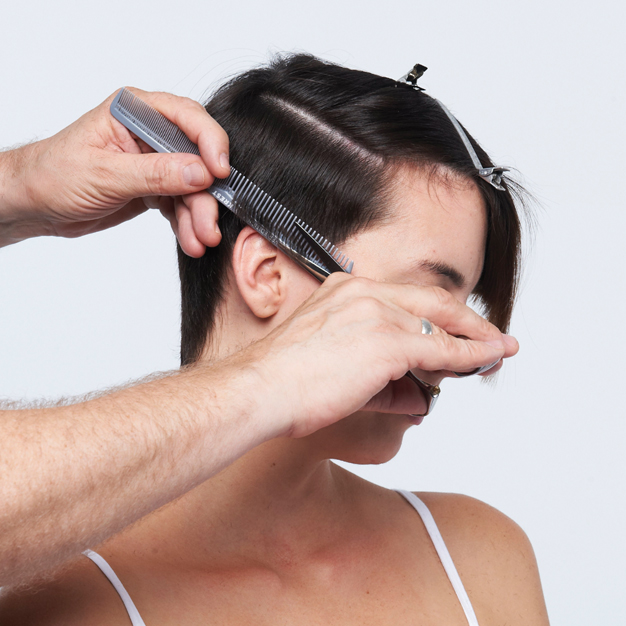 Refine the side and nape areas on both sides by using the chipping and pointing technique. Always work with the hairline growth pattern. Determine a perimeter that creates an oval face shape.
 - 30Step 30 of 36
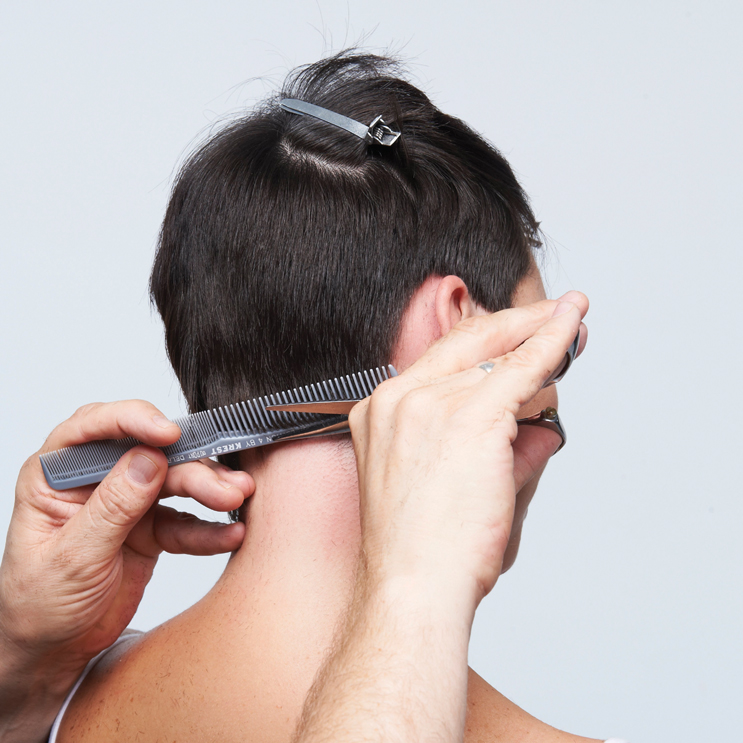 Refine the side and nape areas on both sides by using the chipping and pointing technique. Always work with the hairline growth pattern. Determine a perimeter that creates an oval face shape.
 - 31Step 31 of 36
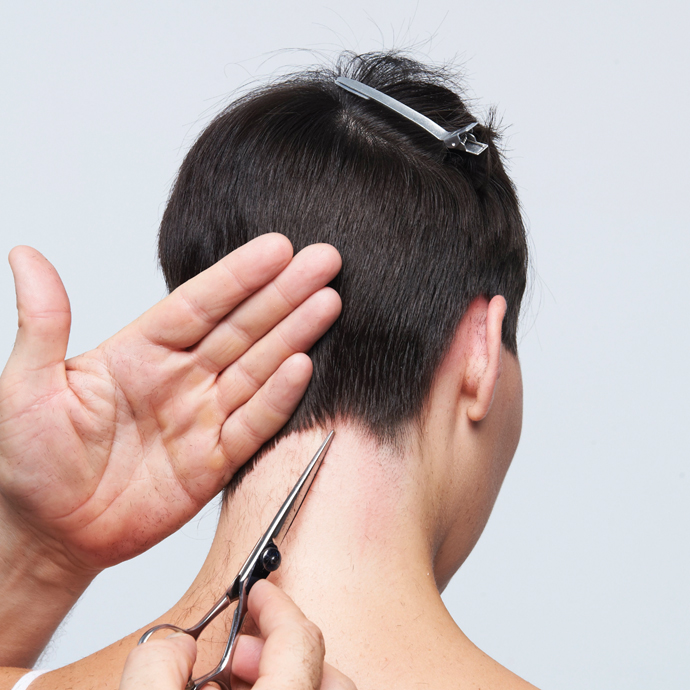 Refine the side and nape areas on both sides by using the chipping and pointing technique. Always work with the hairline growth pattern. Determine a perimeter that creates an oval face shape.
 - 32Step 32 of 36
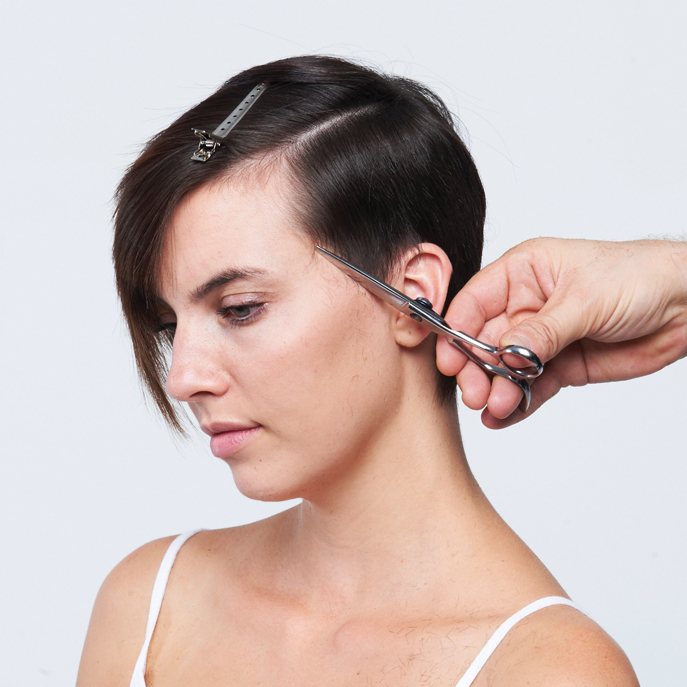 Refine the side and nape areas on both sides by using the chipping and pointing technique. Always work with the hairline growth pattern. Determine a perimeter that creates an oval face shape.
 - 33Step 33 of 36
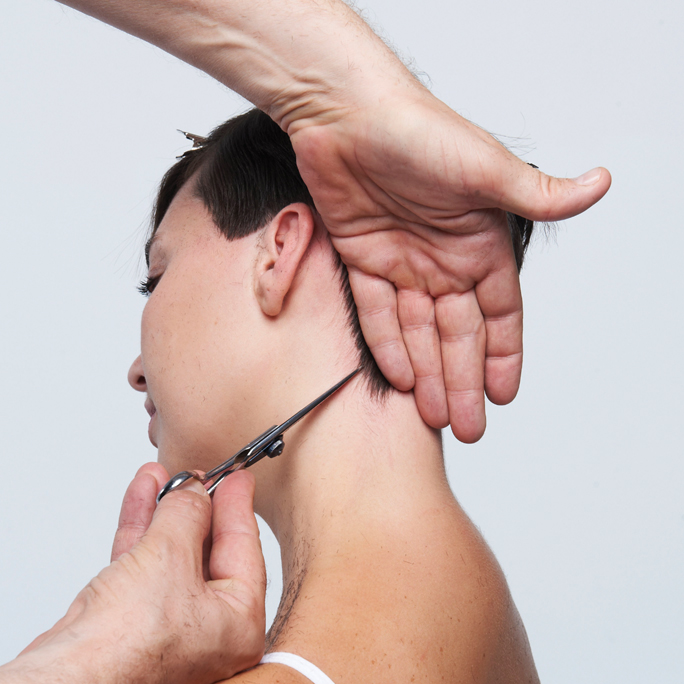 Refine the side and nape areas on both sides by using the chipping and pointing technique. Always work with the hairline growth pattern. Determine a perimeter that creates an oval face shape.
 - 34Step 34 of 36
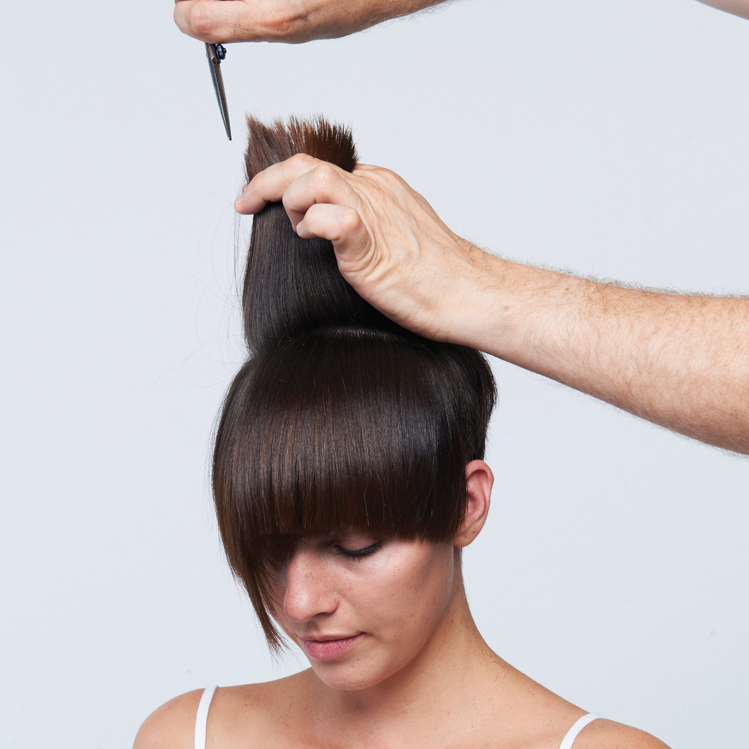 Cross-check the internal lengths. Remove any corners by using the chipping and pointing technique. Chip into the crown area, working with the growth pattern. Re-evaluate the overall haircut after color placement and refine as necessary.
 - 35Step 35 of 36
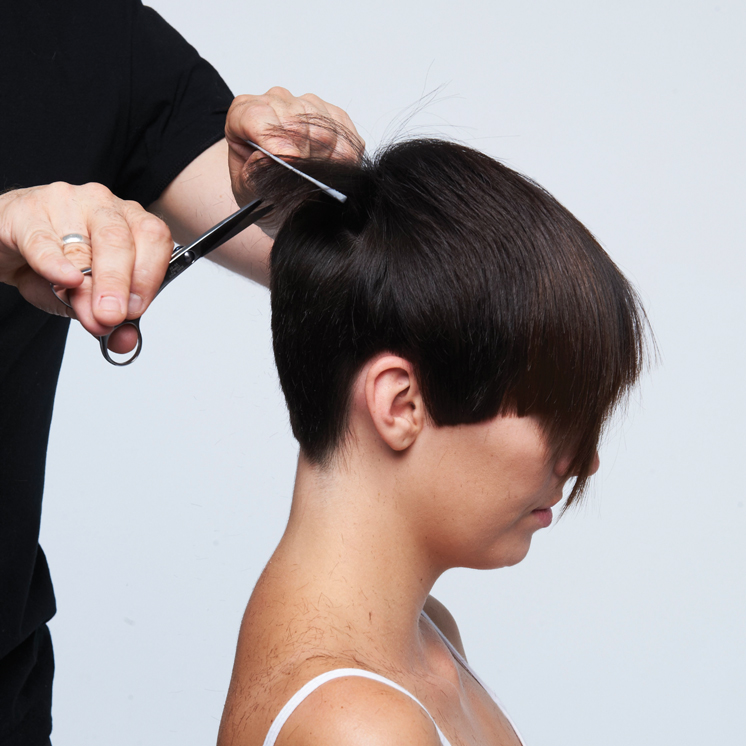 Cross-check the internal lengths. Remove any corners by using the chipping and pointing technique. Chip into the crown area, working with the growth pattern. Re-evaluate the overall haircut after color placement and refine as necessary.
 - 36Step 36 of 36
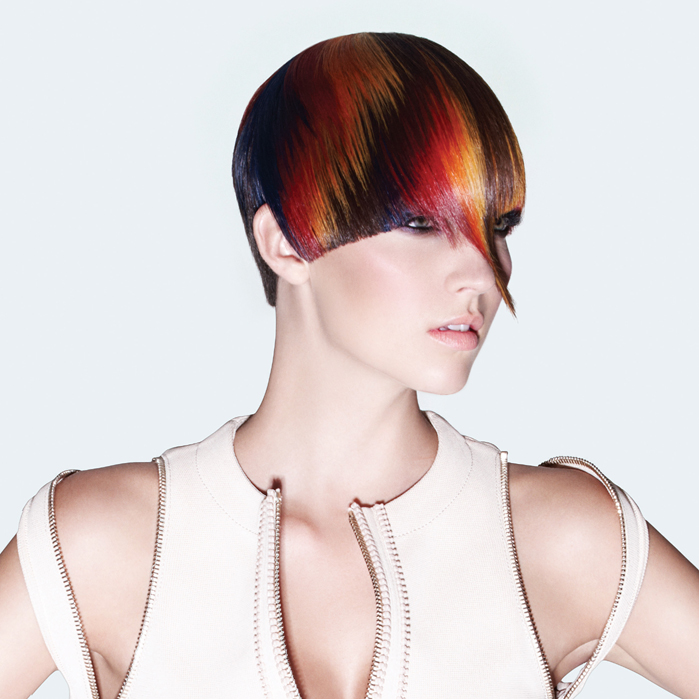 who did it
haircut and styling: Damien Carney, Joico International Artistic Director
haircolor: Sue Pemberton, Joico International Vero K-PAK Color Artistic Director
photography: Hama Sanders
makeup: Walter Obal
wardrobe: Nikko Kefalas
website: www.joico.com